How investor residency visas and coastal homes are pulling in remote professionals and what to look for in tech friendly housing in Muscat in 2025
Oman is not trying to outshout the Gulf’s loudest real estate markets. It is doing something more appealing to a growing slice of remote workers and location independent professionals who want long horizons, calmer cities, and a lifestyle that still functions on a Tuesday.
In 2025, the pitch is getting sharper. Oman’s long term investor residency pathways are becoming easier to explain to newcomers, and the country’s regulated foreign ownership zones along the coast offer a clearer route to buying a home than many people assume. Add reliable fiber expansion, a modern airport, a time zone that plays well with Europe and parts of Asia, and a capital city where beach sunsets are a normal part of the weekly rhythm, and it is easier to see why “Oman digital nomad property investment” is showing up in more expat forums and relocation consult calls.
This is not a one size fits all destination. There are real constraints, especially around where foreigners can buy and what visa categories apply to which investors. But for remote professionals who can meet the financial thresholds and who value stability over spectacle, Oman is increasingly on the shortlist.
Why Oman is on the radar for remote professionals
Long term residency is part of the sales pitch
Oman’s government has been promoting a Golden Residency framework that targets investors and business owners, with eligibility routes that include owning property in tourism zones, buying bonds or listed shares, holding fixed term deposits, and other investment linked options. The public facing government portal frames it as a 10 year residency path and emphasizes an online application experience through an official platform.
At a practical level, Oman’s government services portal also lists dedicated investor visa services with published fee schedules for five year and ten year validity options and basic eligibility conditions such as minimum age and the need to meet investment conditions through the relevant ministry. That sort of administrative clarity matters to remote workers who have been burned by opaque processes elsewhere.
Foreign ownership is structured and location specific
Oman has allowed non Omani ownership in licensed Integrated Tourism Complexes for years. This is not a new experiment. The legal architecture is designed around specific zones and developments rather than blanket nationwide freehold.
For a remote worker thinking about buying rather than renting, that structure can be an advantage. It narrows the universe to communities that typically already cater to international residents with building management, amenities, and clearer resale processes.
Coastal value is still part of the equation
Muscat is not Dubai, and it is not trying to be. Price points vary widely by neighborhood and by whether a home sits inside a freehold eligible tourism complex, but third party market trackers and broker reports consistently frame Muscat as comparatively affordable within the Gulf, especially when you factor in lifestyle variables like access to beaches and outdoor space.
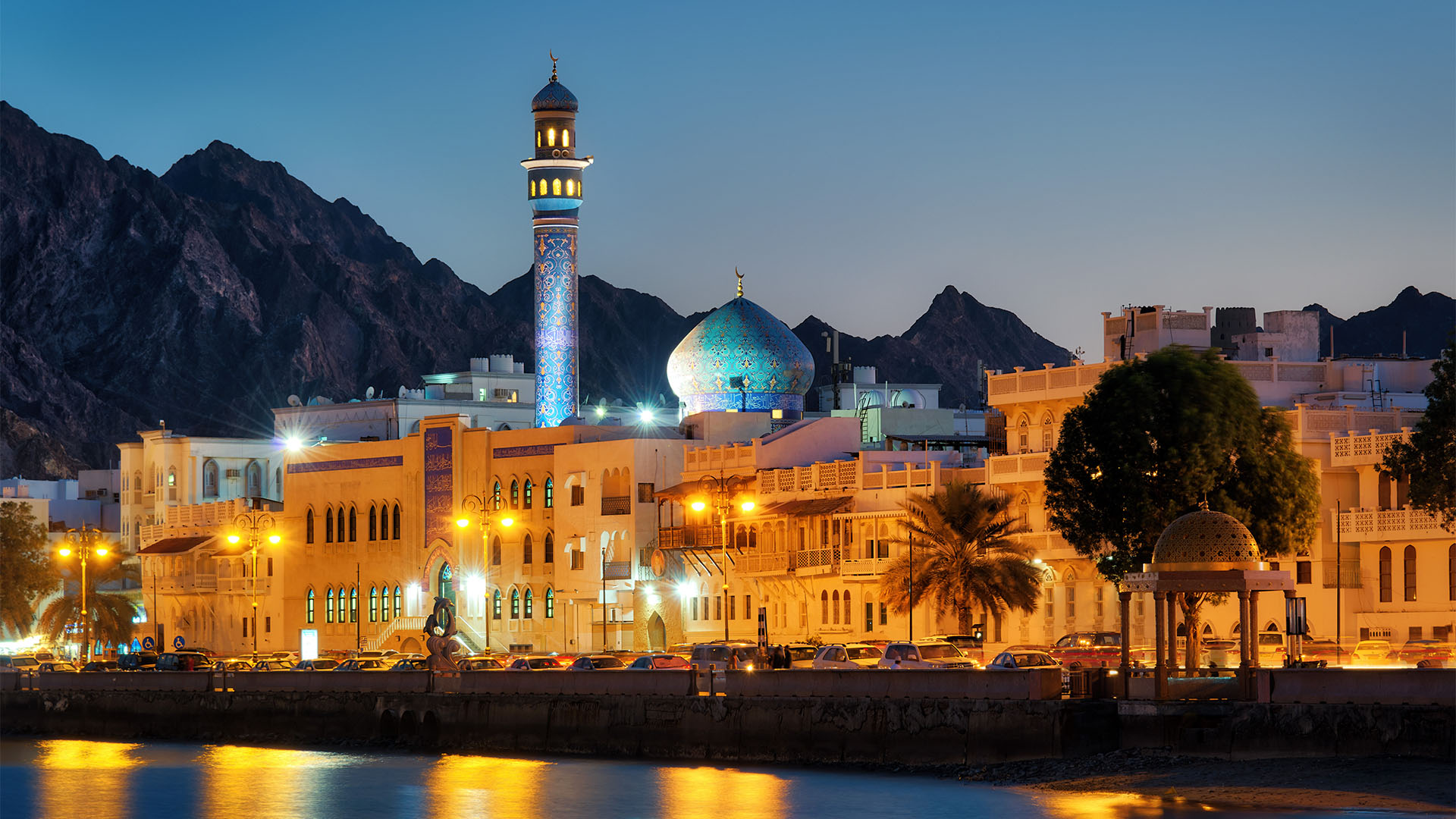
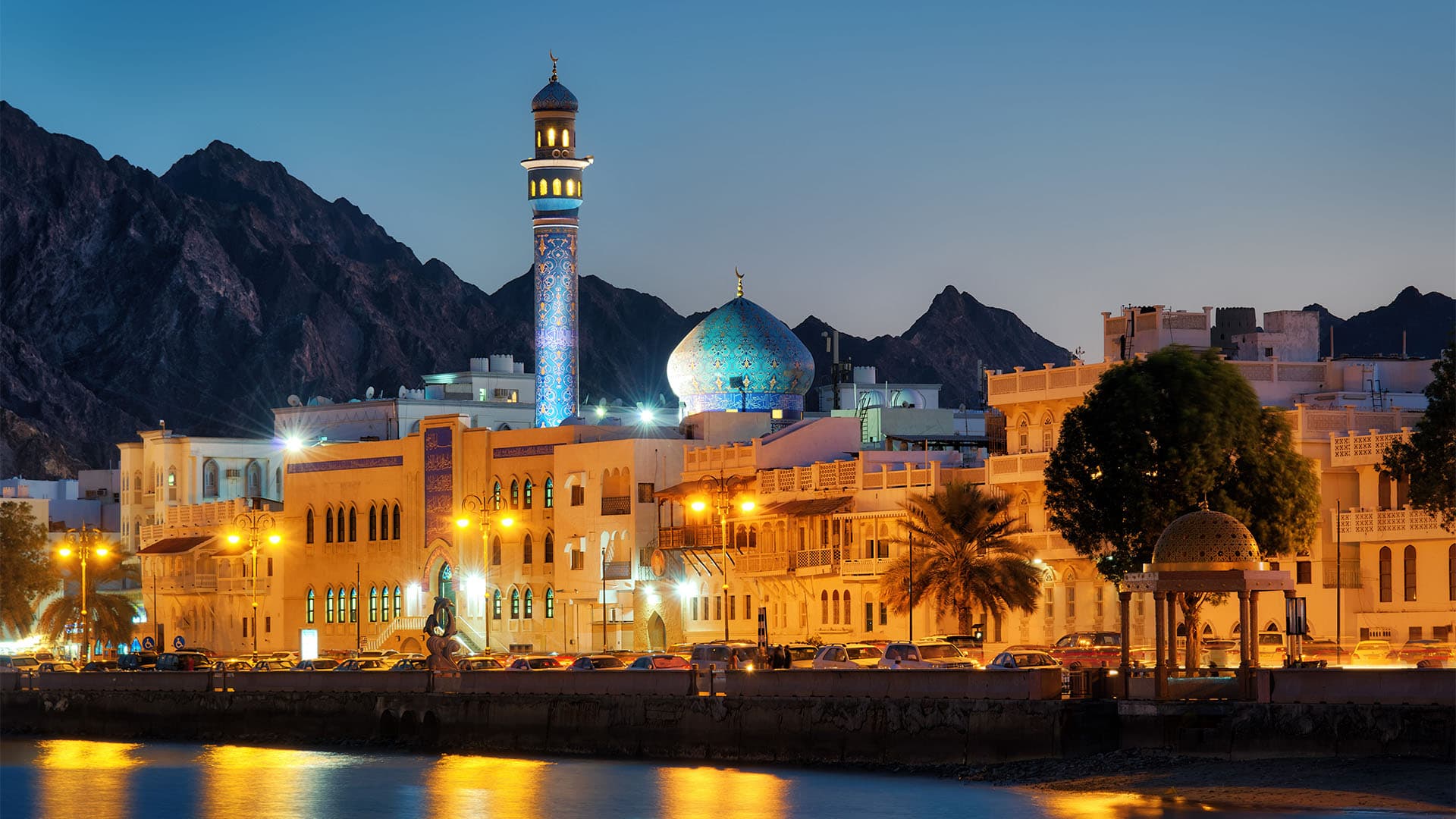
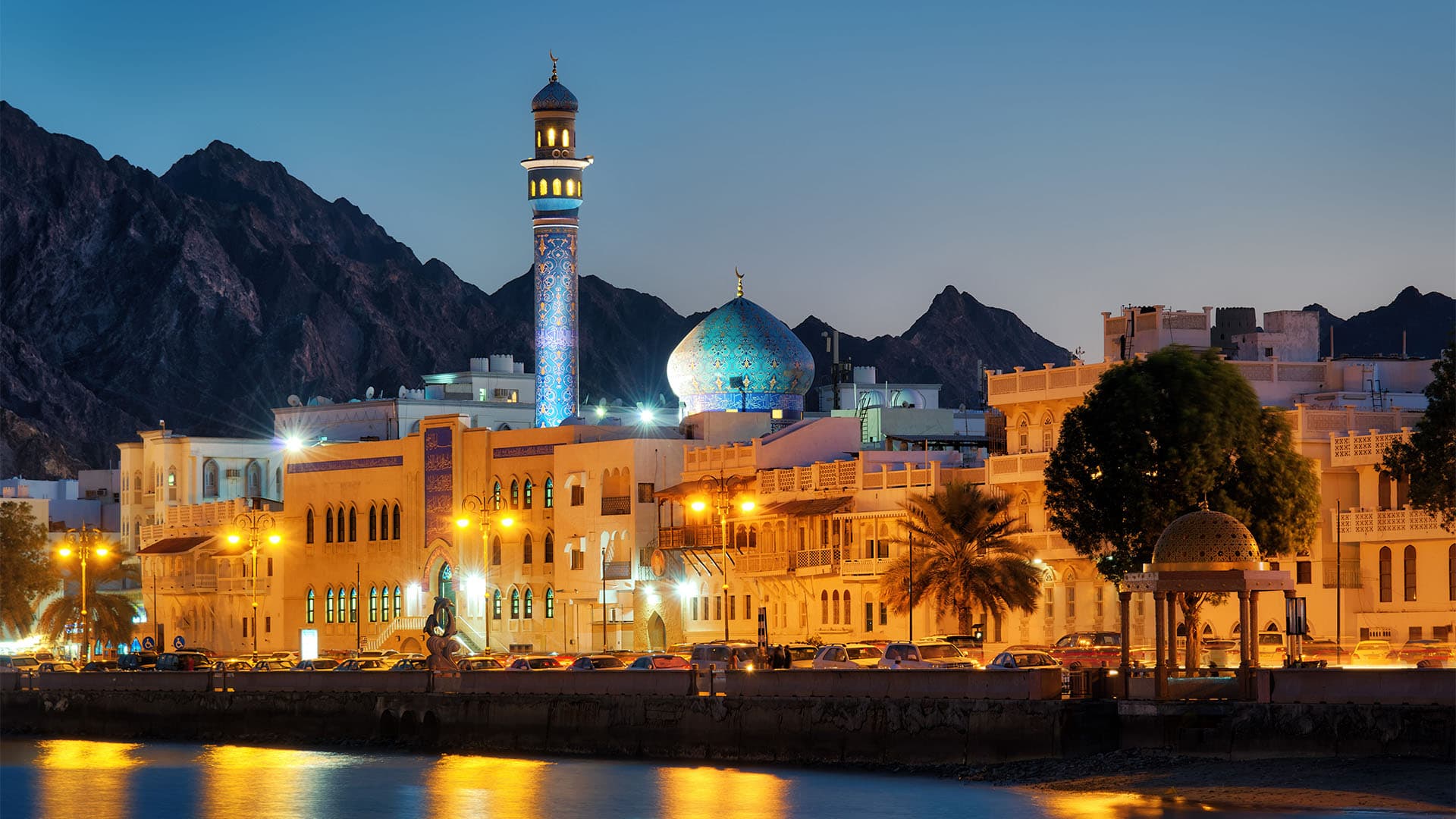
The premium coastal communities in Muscat remain premium. Still, the broader point for remote workers is that the lifestyle gap between “vacation Oman” and “weekday Oman” is smaller than in many places. You can plausibly finish a workday and be in the water or on a marina walk within minutes, not hours.
The investor residency and property link what to understand before you buy
Remote workers sometimes hear “investor visa” and assume a light touch digital nomad permit. Oman’s current framing is different. The most visible long term pathways are investment based and tied to specific qualifying routes.
Here are the practical takeaways for prospective buyers and remote professionals.
1 Know which residency route you are actually using
If your plan is to own, confirm whether you are aiming for an investor visa service, Golden Residency eligibility, or another residency category that fits your profile. The public information emphasizes investment routes and property in tourism zones, but the details can vary by program design and updates.
2 Understand where foreigners can buy
Most foreign buyers focus on Integrated Tourism Complexes because those developments are built for non Omani ownership. Outside those zones, ownership rules can be different and may involve usufruct structures or other limitations depending on location and property type. If your goal is a clean purchase with long term usability and resale options, keep your search aligned with the legal framework rather than fighting it.
3 Do not treat social media price talk as a contract
Muscat’s market can look “cheap” or “expensive” depending on which neighborhood someone is talking about and whether they are comparing like for like homes. Use professional market reports for trend direction and then validate with current listings and transaction reality through licensed advisors.
Why Muscat works for remote work life and where it can frustrate you
Muscat is a city of districts rather than a single skyline. Remote workers generally value three things in a home base.
Internet and mobile redundancy
Quiet and predictable daily logistics
Proximity to social life without living on top of it
Muscat can deliver that, but the experience depends heavily on where you live.
What tends to work well
Modern planned communities with onsite maintenance and building management
Areas with established fiber availability and strong mobile coverage
Neighborhoods that are close to supermarkets, gyms, and marina or beach walking routes
What can surprise newcomers
Commute times can spike quickly if you choose a home far from your daily needs
Some older buildings have inconsistent internal wiring and weaker Wi Fi performance
Building rules can affect short term subleasing and guest policies, which matters if you travel often
Remote work housing in Muscat 2025 what tech friendly really means
A “tech friendly” home is not just a router on a shelf. For remote professionals who live on video calls, large file transfers, and secure work setups, the housing checklist needs to be more specific.
Fiber first then mobile backup
Start with fixed line fiber availability and confirm it at the address, not just in the neighborhood. Oman Broadband’s coverage mapping is a useful starting point because it reflects the infrastructure layer used by service providers. Then build redundancy with a 5G router or hotspot plan so you are never one outage away from a missed meeting.
Independent testing benchmarks have also pointed to measurable performance differences among fixed internet providers. That does not mean one provider will be best in every building, but it is a reminder to check the actual serviceability of your exact unit.
Look beyond advertised speeds
When touring a unit or reviewing a building, ask about.
Internal wiring condition and whether the unit has modern Ethernet or structured cabling
Router placement options and whether thick concrete walls will block signal
Backup power for elevators, building systems, and common areas
Noise insulation if you will take calls from home most days
Prioritize layouts that support focused work
Remote workers often regret choosing a beautiful one bedroom that has nowhere to work. In Muscat, where bright sun and reflective surfaces can complicate video calls, your practical needs matter.
Consider.
A second bedroom or a dedicated nook for a desk
Window placement that avoids harsh backlight
Space for a proper chair, not just a dining seat
Choose buildings with predictable maintenance
In planned coastal communities, building management is often a key part of the lifestyle package. For remote workers, predictable maintenance equals fewer disruptions. Ask about typical response time for AC issues, plumbing, and internet installation coordination.
Where remote workers tend to buy or rent in Muscat
In practice, remote professionals cluster where the lifestyle is easiest and where legal ownership options for foreigners are most straightforward. That often means coastal or near coastal communities that already host a large expat population.
Common decision drivers include.
Walkability to cafes and groceries
Marina or beach access for daily routines
Proximity to coworking spaces or hotel business lounges
Access to the airport for frequent travel
A useful approach is to rent first in your target district, validate internet and day to day living, and only then move toward purchase if your long term plan stays intact.
A practical buying checklist for expat remote worker real estate in Oman
Use this as a pre offer filter.
Connectivity and work setup
Confirm fiber availability at the unit level and installation lead times
Test mobile coverage inside the unit and in your building parking area
Budget for a mesh Wi Fi system and a backup 5G router
Building and lifestyle
Check AC system type and maintenance history
Ask about sound insulation and neighbor noise patterns
Verify parking, visitor access, and delivery logistics
Legal and financial basics
Confirm the property is in a zone that permits your ownership status
Validate any community service charges and what they actually include
Clarify rules on renting out the property if you travel for long periods
Day to day living
Map commute times to where you will actually spend time
Confirm grocery, pharmacy, and gym access
Ask about flooding risks in low lying coastal pockets and drainage quality
The bottom line for Oman digital nomad property investment
Oman is not selling a hype cycle. It is selling a long game. For remote workers who want a base that feels livable rather than performative, the combination of long term investor residency messaging, regulated foreign ownership communities, and improving digital infrastructure is compelling.
But the details matter. Your outcome will depend on whether you match the right residency route to your plan, whether you buy in the correct legal zones, and whether you treat “tech friendly” as a measurable checklist rather than a vibe.
For a certain kind of remote professional, that is exactly the point. Oman rewards patience, due diligence, and realistic expectations. In return, it offers a coastal life that can feel surprisingly normal, in the best possible way.