
Living in
Oman
Ranked 11th globally for expat quality of life. A practical guide to Omani culture, real cost of living, choosing the right neighborhood, international schools, world-class outdoor experiences, and finding a home that fits both lifestyle and investment goals.
Why Oman stands out
A different kind of Gulf experience
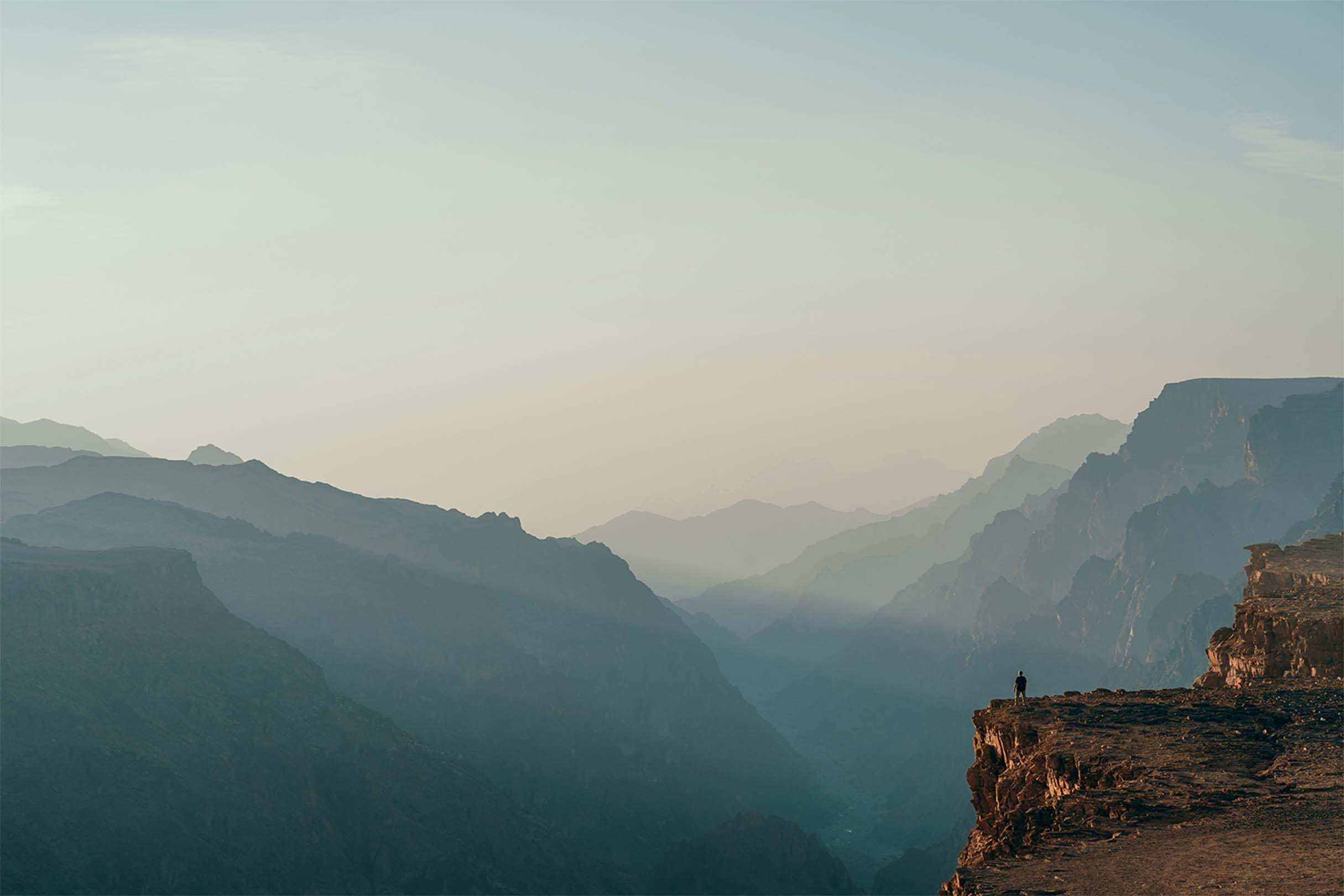
Oman offers something rare in the modern Gulf region. The Sultanate has deliberately chosen heritage over hyper-development, community over commercialism, and natural landscapes over artificial islands. For buyers and relocators seeking substance over spectacle, Oman delivers a quality of life that many find refreshingly authentic.
This is not Dubai. There are no skyscraper races or mega-mall complexes. Instead, you will find wadis you can swim in, deserts you can camp under the stars in, and a coastline where sea turtles still nest. The expat community is smaller and more tight-knit, and integration with local culture is genuine rather than performed.
Last updated
December 2026 (verified with current sources)
Global expat ranking
11th best country for expats
InterNations Expat Insider 2026 Report.
Time zone
Gulf Standard Time (UTC+4)
4 hours ahead of London, 8 ahead of New York.
Working week
Sunday to Thursday
Friday and Saturday are the weekend.
Currency
Omani Riyal (OMR)
Pegged to USD at approximately OMR 1 = $2.60.
Climate seasons
Oct to Apr is ideal outdoor weather
Summer (May-Sep) reaches 45 degrees in Muscat.
Population
Approximately 5.1 million
Around 40% are expatriates.
Culture and community
Ibadi hospitality and the Omani way of life
Oman is the only country in the world where Ibadi Islam is the majority faith. This unique religious heritage shapes everything from the warmth of local hospitality to the Sultanate's reputation for tolerance and neutrality. Expats consistently report feeling genuinely welcomed rather than merely tolerated.
Daily life revolves around community, family, and the natural rhythms of the day. The traditional majlis (sitting room) remains the center of Omani social life, where guests are received with qahwa (Omani coffee) and dates. This is not a performative ritual for tourists but a genuine aspect of how Omanis connect.
Omani coffee is served in small handleless cups called finjan, flavored with cardamom and sometimes saffron. Guests receive three cups symbolizing devotion to God, peace, and friendship. Shake the cup gently when finished. Dates accompany every serving.
Oman has traded frankincense for over 5,000 years. The finest luban comes from the Dhofar region. Incense is burned in homes daily to purify the air and welcome guests. At the end of a visit, hosts offer incense and perfume as a gesture of respect.
The rhythm of the week
Understanding Omani timing makes daily life significantly smoother.
The working week runs Sunday to Thursday. Friday is the holy day and Saturday is for family and leisure.
Shops and businesses may close briefly during prayer times, typically 15-20 minutes, five times daily.
During Ramadan, daytime pace slows considerably but evenings come alive with iftar gatherings and night markets.
Summer days (May to September) shift activity to early mornings and late evenings. Air conditioning is essential.
The Khareef monsoon in Salalah (June to September) transforms the region into a green oasis, attracting visitors from across the Gulf.
Practical etiquette for newcomers
Dress modestly in public areas. Shoulders and knees should be covered in traditional spaces, though ITCs and private clubs are more relaxed.
Remove shoes before entering an Omani home. Wait to be invited to sit.
Avoid photographing people without permission, especially women and in traditional areas.
Greet with As-salamu alaykum (peace be upon you). The response is Wa alaykum as-salam.
The left hand is considered unclean. Offer gifts, food, and handshakes with your right hand.
Alcohol is available only in licensed hotel restaurants and bars if you are not Muslim. It is not sold in supermarkets.
Where to live
Choosing between Muscat, Salalah, and emerging areas
Oman is not a one-city country, but for most expats and property buyers, the choice centers on Muscat (the capital and commercial hub) versus Salalah (the southern coastal city with a unique microclimate). Newer developments in areas like Duqm are attracting industrial investment but remain less relevant for lifestyle buyers.
Within Muscat, the critical decision is which neighborhood or ITC (Integrated Tourism Complex) matches your daily routine. A 20-minute difference in commute can transform quality of life. The ITCs offer freehold ownership for foreigners, managed communities, and resort-style amenities.
How to choose your neighborhood
Start with your work location. Muscat traffic can be significant during peak hours, so proximity matters.
If you have children, map school locations. British School Muscat, TAISM, and the IB schools are in specific areas.
Decide on community style. ITCs offer managed environments with security, pools, and landscaping. Traditional areas offer more authenticity.
Consider weekend priorities. If you want marina access, choose Al Mouj. For mountain hiking, consider Qurum or Al Khuwair.
Visit at different times of day. A neighborhood that feels perfect at 10am might gridlock at 5pm.
Al Mouj, Qurum, Al Khuwair, and Muttrah
Al Mouj is the flagship ITC with marina, golf, and The Wave development. Qurum offers established villas near beaches and malls. Al Khuwair is the affordable expat hub with schools and clinics. Muttrah is historic but less common for long-term residence.
Muscat Bay, Muscat Hills, Jebel Sifah, and AIDA
These ITCs allow foreign freehold ownership. Muscat Bay offers boutique beachfront living. Muscat Hills centers on golf lifestyle. Jebel Sifah combines coastal access with mountain views. AIDA is the newest mega-project featuring the Trump International golf course.
The green south with monsoon seasons
Salalah transforms during the Khareef (June to September) when monsoon mists create a green landscape unique in Arabia. The pace is slower, prices lower, and beaches less crowded. Popular with Gulf tourists escaping summer heat. British School Salalah serves the expat community.
Sultan Haitham City and new developments
Sultan Haitham City is a Vision 2040 project designed for 100,000 residents. Phase 1 is 80% complete. The Muscat Metro (55km, 36 stations) will connect it to the CBD. These are long-term plays for buyers comfortable with infrastructure still in development.
Signals of a strong neighborhood for lifestyle and resale
Multiple demand drivers including employment hubs, schools, and daily amenities within 10 minutes.
Clear community management with consistent maintenance, security, and well-enforced rules.
Layouts and unit sizes that match how families actually live, not just marketing render appeal.
Proximity to outdoor access. Wadis, beaches, and mountains should be weekend destinations, not annual expeditions.
Proven rental demand for your unit type if you plan to let the property during absence.
Get neighborhood-specific guidance
If you are new to Oman, start with our Area Guides to understand neighborhood character and pricing. Then tell us your commute, family needs, and budget so we can shortlist developments that match.
Cost of living
Real figures for life in Oman (2026)
Oman offers a moderate cost of living compared to Dubai or Abu Dhabi, with the significant advantage of 0% income tax. Housing is the largest expense, followed by school fees for families. Fuel is inexpensive, and daily essentials are reasonable.
The Omani Riyal (OMR) is pegged to the US Dollar at approximately OMR 1 = $2.60, making it one of the world's strongest currencies. Salaries are typically quoted and paid in OMR.
Monthly cost breakdown for a single professional
Rent (1-bedroom in Al Mouj): OMR 400-600 per month. Al Khuwair is OMR 200-350.
Groceries and household: OMR 50-100 per month depending on preferences.
Utilities (electricity, water, internet): OMR 30-60 per month. Air conditioning increases summer bills.
Transport (car ownership or taxi): OMR 50-100. Fuel is around OMR 0.25 per litre.
Dining and leisure: OMR 100-200 per month depending on lifestyle.
Total (excluding rent): OMR 250-500 per month. With rent: OMR 500-1,100.
Monthly cost breakdown for families
Rent (3-bedroom villa in ITC): OMR 800-1,200 per month.
International school fees: OMR 150-400 per child per month (varies significantly by school and year group).
Groceries and household: OMR 150-250 per month.
Utilities: OMR 60-120 per month including air conditioning in summer.
Transport (typically 2 cars): OMR 100-200 per month.
Healthcare (see below on UHIP insurance) and leisure: OMR 200-400.
Total family budget (excluding rent and school fees): OMR 600-1,000. With housing and schools: OMR 1,700-3,000.
From 2026, the Unified Health Insurance Policy (UHIP or Dhamani) is mandatory for all private sector employees and residents. Employers must provide coverage. Private hospitals like Starcare (JCI triple-accredited), Apollo, and Royal Hospital offer excellent care. GP visits cost OMR 10-20 privately.
British curriculum schools include British School Muscat (outstanding rating), Cheltenham Muscat, and Muscat International School. American options include TAISM. IB World Schools include ABA Oman, Al Sahwa, and Ellesmere Muscat. Annual fees range from OMR 3,500 to OMR 8,000 depending on year group.
Visa and residency
Pathways to living and owning property in Oman
Oman offers several routes to residency. Employment sponsorship remains the most common for professionals. Property investment now provides clear pathways through the Investor Residency Program, which grants long-term visas linked to purchase thresholds in designated ITCs.
The key distinction for property buyers is that foreigners can only own freehold in Integrated Tourism Complexes (ITCs). Outside these zones, non-GCC nationals may acquire usufruct rights (long-term leases) in designated areas of Muscat under Ministerial Decision 357/2020.
Residency routes at a glance
Employment visa: Sponsored by employer. Most common route. Includes family dependents.
Investor Residency (10-year): Purchase property worth OMR 200,000+ in an ITC. Renewable residency for the investor and family.
Investor Residency (5-year): Available at lower thresholds or legacy tiers (verify latest OMR 100k+ rules).
Retirement visa: Available for retirees meeting income and age criteria. Relatively new program.
Usufruct ownership: Long-term lease (typically 50 years) in designated Muscat zones. Does not automatically grant residency.
For detailed eligibility criteria and documentation, see our Visa and Residency Guide.
Key decisions before choosing a property
Will you relocate permanently or maintain the property as a second home and investment?
Do you need residency for family members including school-age children?
Are you comfortable with ITC ownership (managed community, service charges) or prefer usufruct in traditional areas?
What is your timeline? Off-plan purchases may not trigger residency until handover and registration.
Have you confirmed banking and mortgage eligibility? Expat mortgages in Oman typically require 30% deposit.
Featured developments
Homes that match lifestyle and investment goals
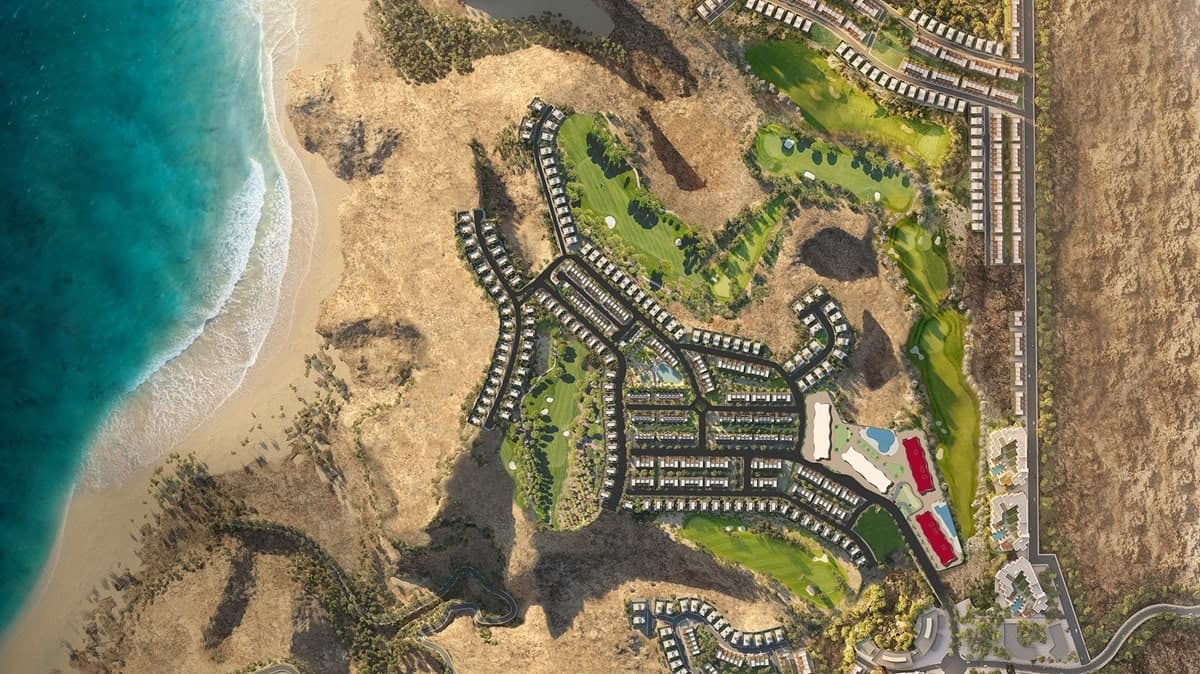
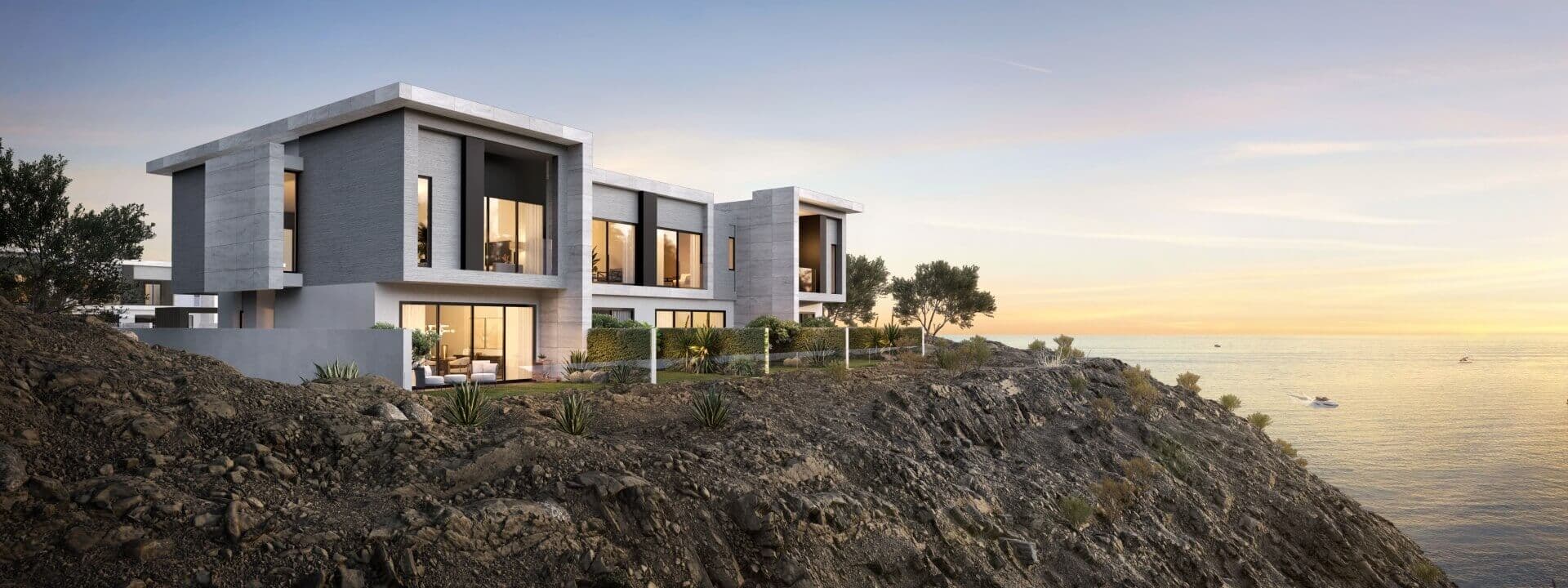
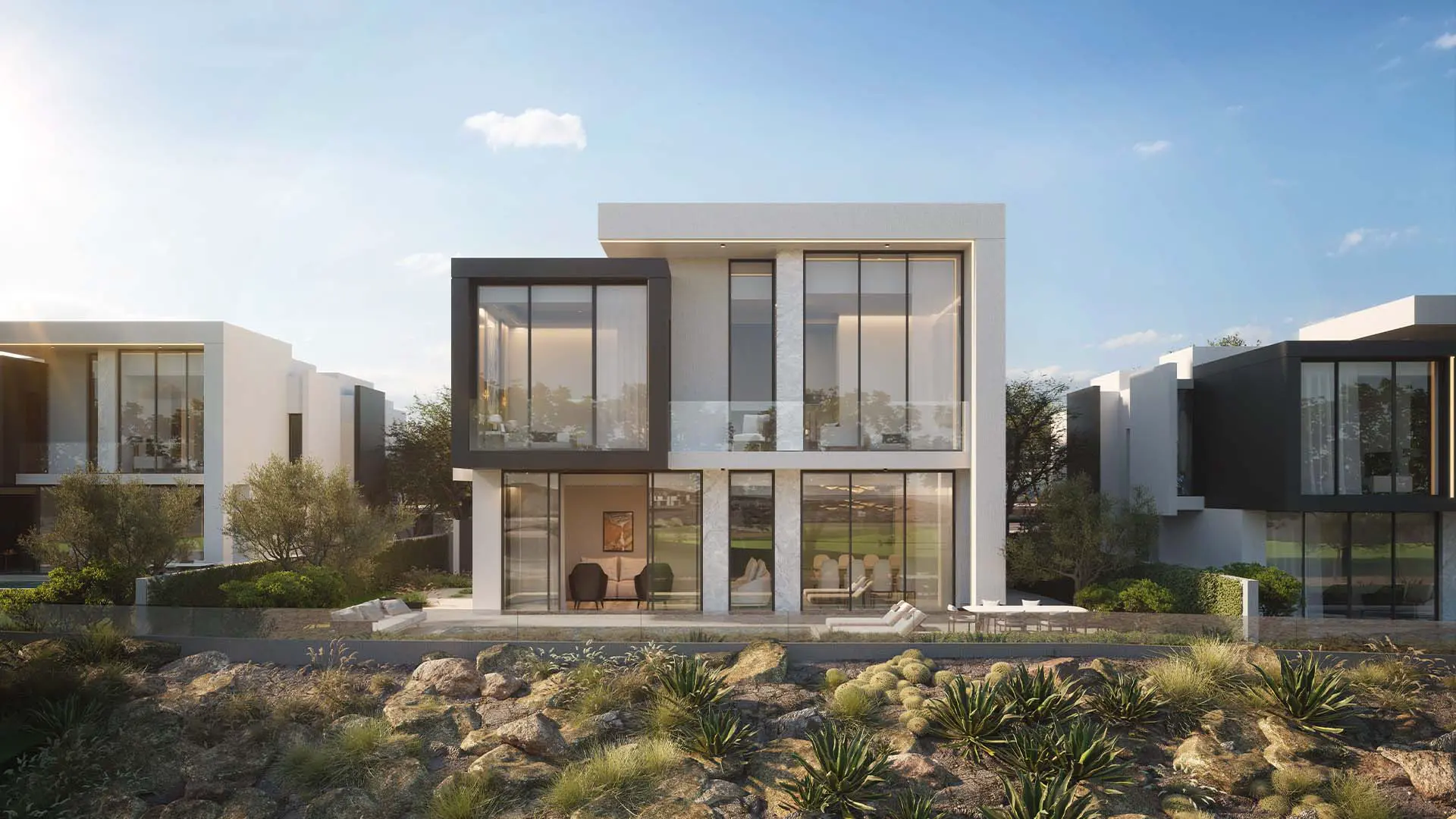
Below are developments from our portfolio suited to lifestyle-focused buyers. If you want a tighter shortlist matched to your specific needs, tell us your priorities and we will curate options.


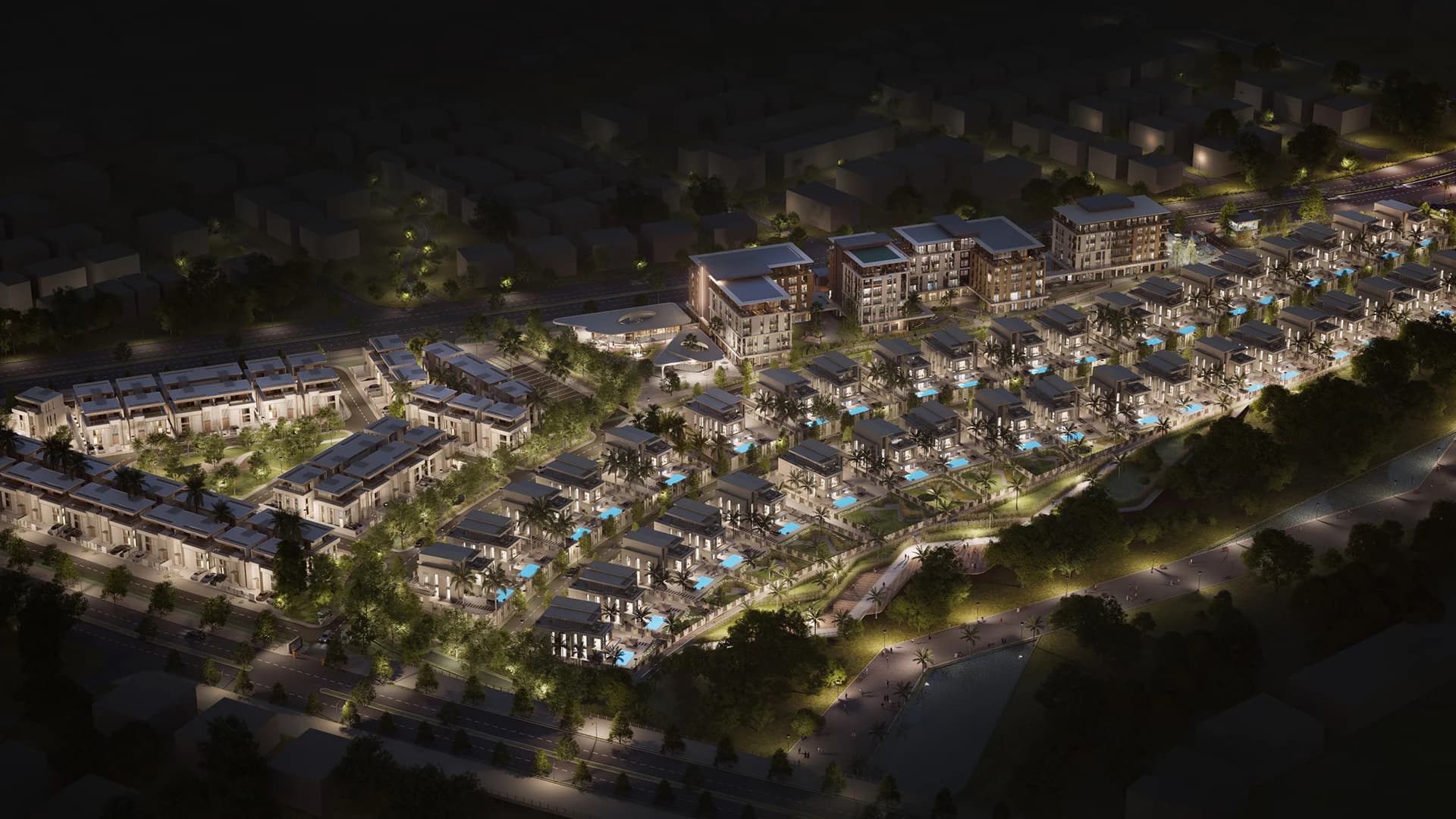
How we approach lifestyle-first property selection
We translate your daily priorities (commute, schools, outdoor access, community style) into a neighborhood shortlist.
We pressure-test the investment case including service charges, management quality, rental yields, and resale liquidity.
We compare developments on what matters in practice: parking, layouts, handover specs, community rules, and actual resident feedback.
We do not push inventory. Our role is to help you underwrite and shortlist, not to sell you a specific unit.
Viewing and due diligence checklist
Visit at different times of day to understand traffic, noise, and community activity patterns.
Ask for a complete breakdown of service charges and what they cover (security, landscaping, pool, gym).
Check parking allocation. Many ITCs assign parking but additional spaces may have waiting lists.
Confirm rules on short-term rental if you plan to use the property part-time and let it when absent.
For off-plan, get handover specifications in writing. Compare the contract to the marketing materials.
Walk the route to the nearest grocery store, pharmacy, and school. Is it practical daily or only by car?
Frequently asked questions
Common questions about life in Oman
Your next step
Ready to explore
living in Oman?
Tell us your priorities: work location, family needs, budget, and lifestyle preferences. We will curate a shortlist of neighborhoods and developments that match how you actually want to live.