Why luxury villas and tourism assets are positioned for higher returns
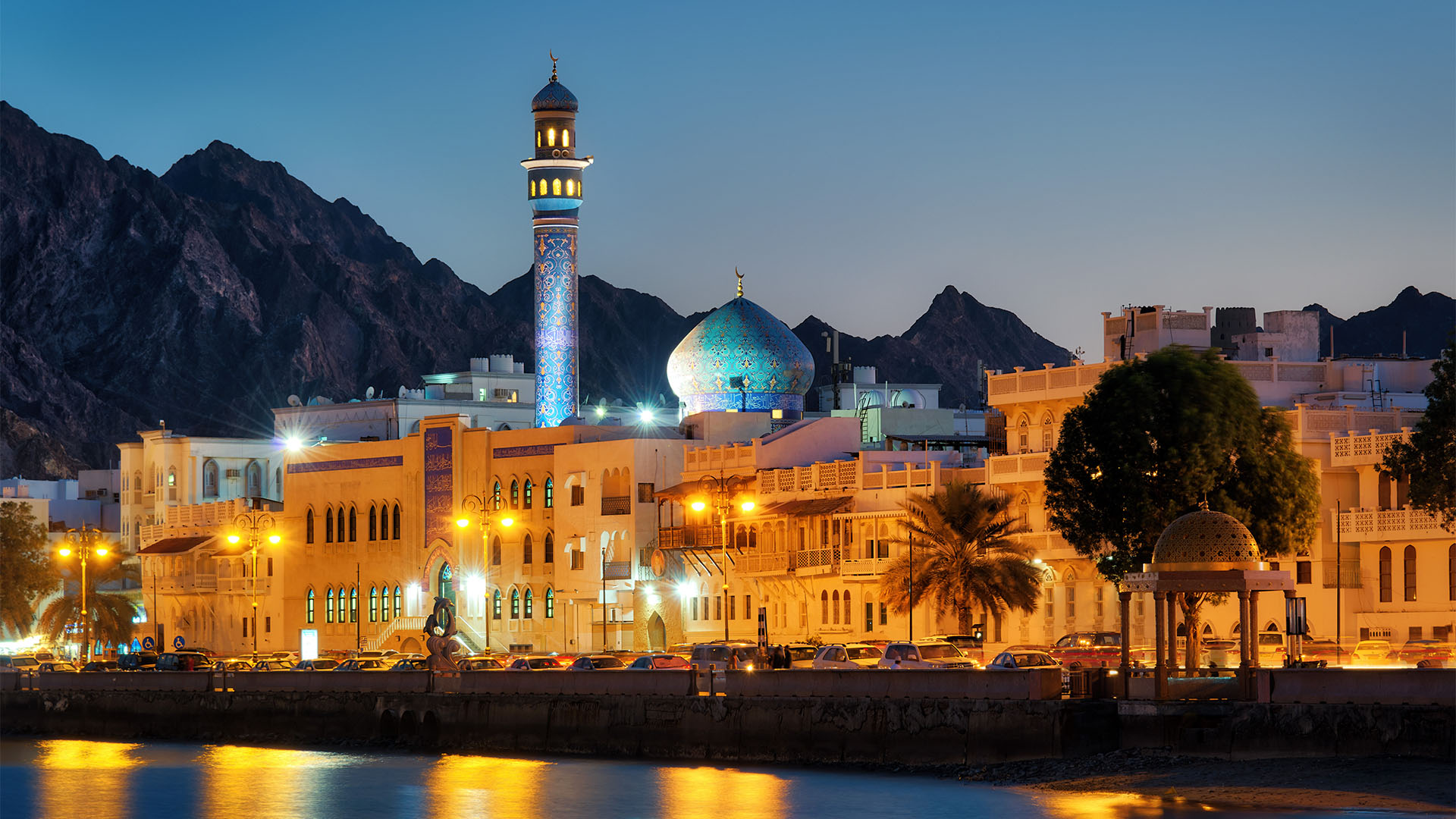
Oman’s property market is entering 2025 with a clearer growth narrative than it has had in years. The driver is not a speculative surge in mass housing. It is a deliberate national pivot toward higher-value tourism, supported by transport upgrades, destination development, and policy signals designed to attract long-term capital.
That combination matters for investors because it concentrates demand in specific real estate categories. In Oman right now, the strongest risk-adjusted opportunities are typically found where visitor spending and premium lifestyle demand overlap. That is why luxury villas and tourism-related assets are topping many serious shortlists for Top real estate investments Oman 2025, especially in areas that sit inside or adjacent to major tourism clusters.
This article breaks down the most attractive property types for 2025, what is driving their performance, and how to underwrite them with a realistic view of costs and seasonality.
The 2025 backdrop
Tourism growth plus infrastructure that improves “time to experience”
Oman’s tourism strategy has been moving toward “fewer, higher-spend visitors” rather than chasing raw volume at any cost. Recent reporting and official updates point to sustained investment programs, new destination partnerships, and a steady pipeline of projects designed to improve the visitor experience and expand capacity over time.
Meanwhile, Oman’s infrastructure agenda is increasingly aligned with tourism and liveability. Road upgrades, urban development and cross-border connectivity all reduce friction for travellers and residents. For property investors, that translates into a simpler question: will it be easier for more people to arrive, move around, and stay longer in 2025 than it was in 2022 or 2023. The answer, in many prime corridors, is yes.
What tends to benefit most in this environment are assets that monetise convenience and experience: villas with privacy, resort-linked residences, well-located serviced units, and small hospitality concepts that plug gaps in the accommodation mix.
Property type 1
Luxury villas in prime lifestyle and ITC zones
Luxury villas sit at the top of the demand stack for three reasons.
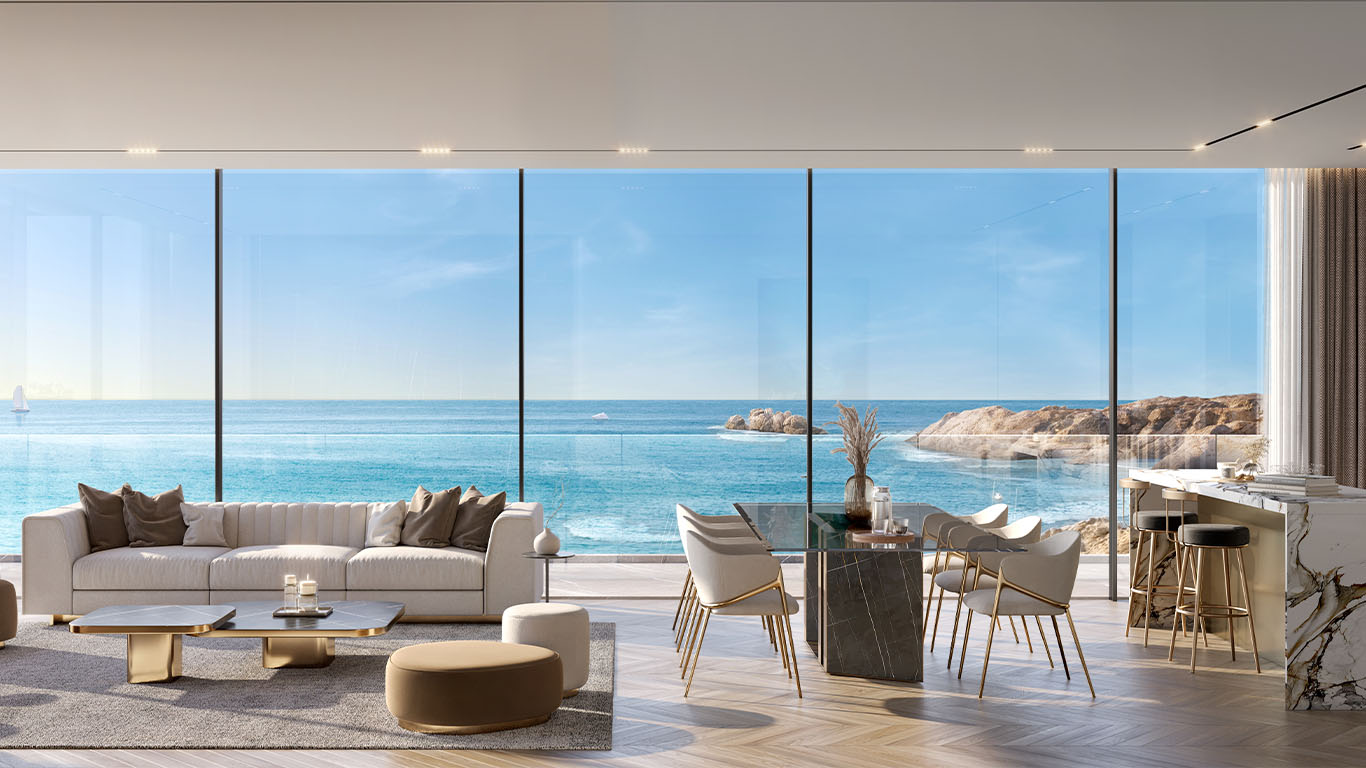
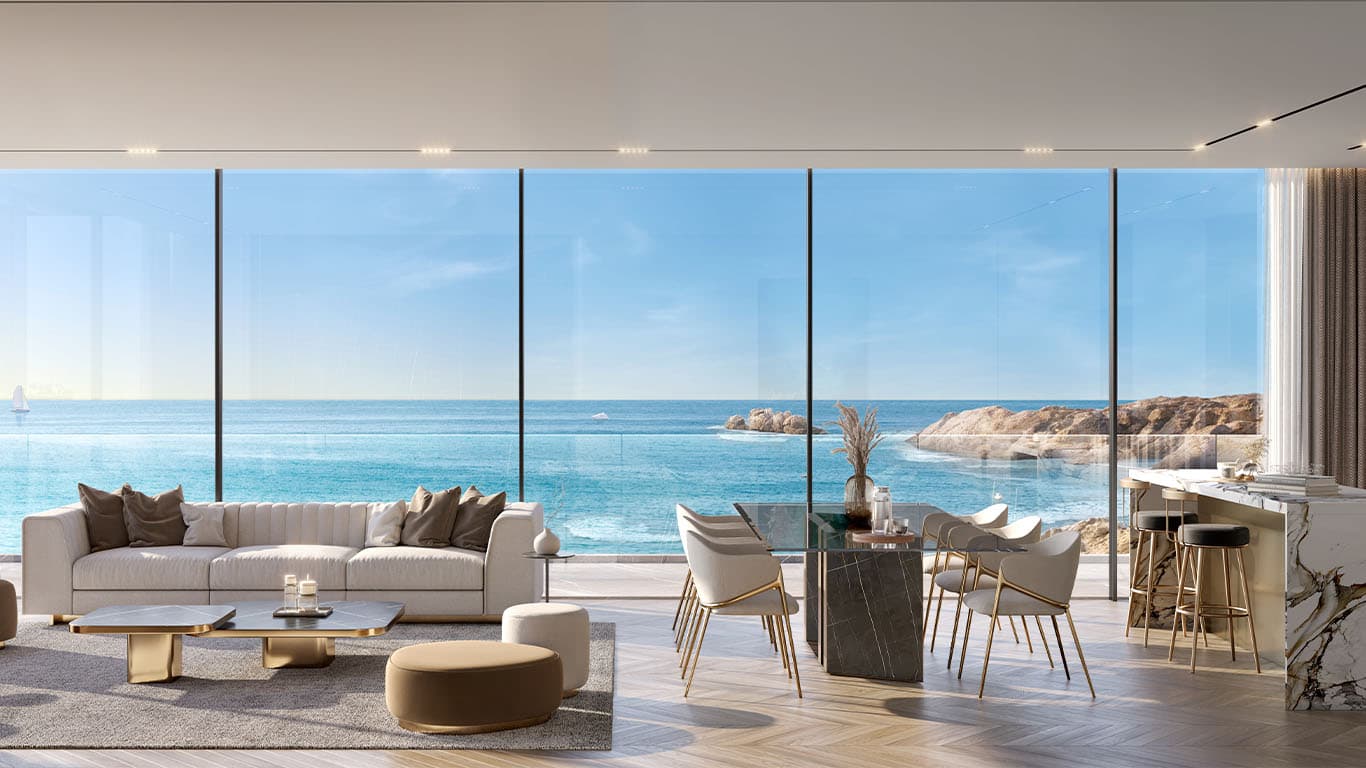
First, they match what a growing slice of leisure travellers now pay for: space, privacy, pools, views, and “home plus hotel” comfort. Second, they appeal to regional weekend demand where groups and families travel together. Third, they also serve long-stay expatriates and internationally mobile buyers who want lifestyle real estate with an upside.
That is why luxury villas Oman ROI conversations increasingly focus on villa formats that can switch between short stays and medium-term lets without breaking the product.
Where villas tend to perform best
While micro-location always wins, in Oman the strongest villa thesis often shows up in:
Waterfront and marina-oriented communities where amenities and walkability support premium nightly rates
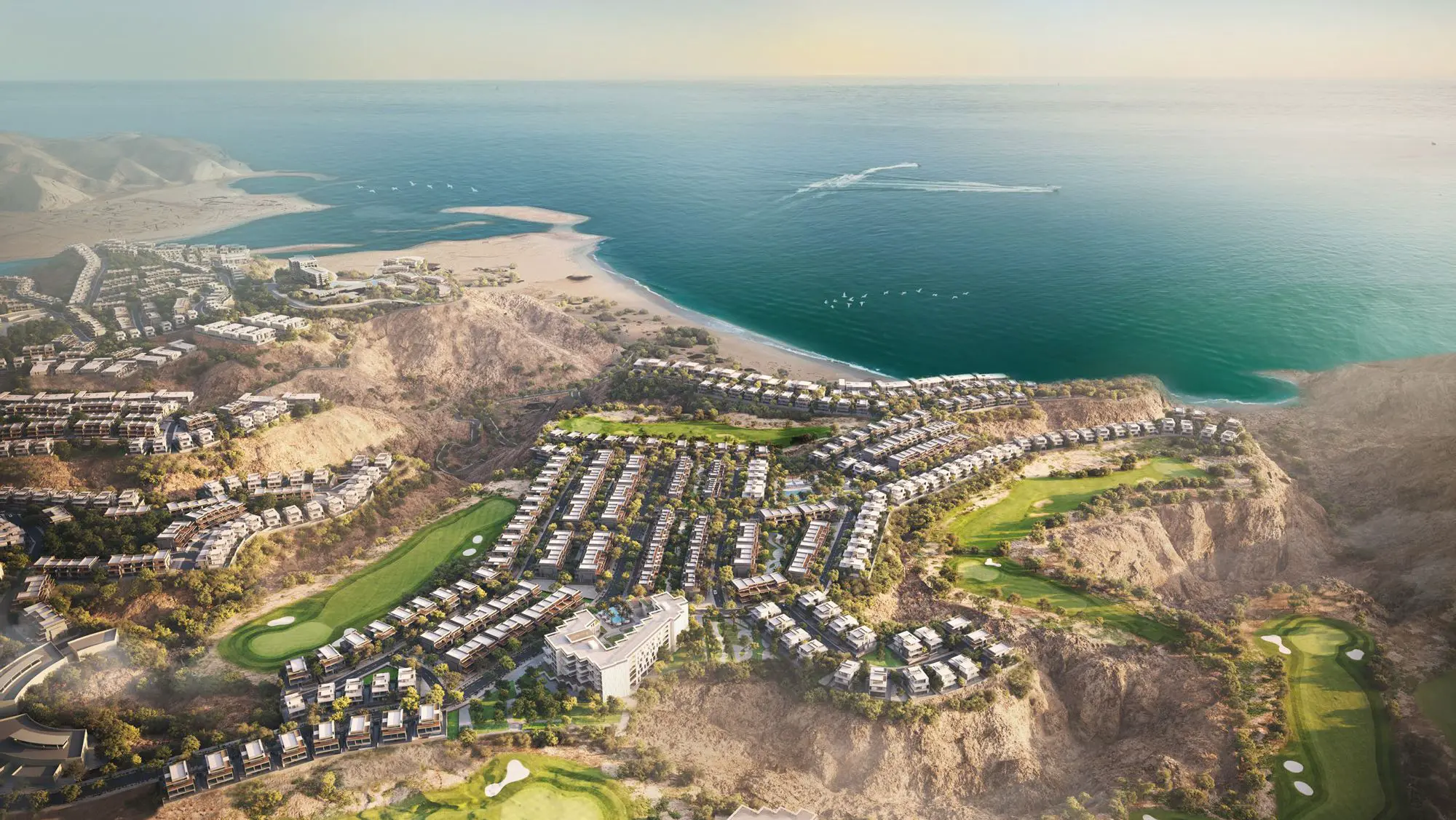
Integrated tourism destinations that bundle residence demand with hospitality, beach access, golf, or marina infrastructure
Emerging sustainable and masterplanned districts where scarcity and branding can support high pricing if delivery stays on track
In 2025, investors should watch for places where new infrastructure shortens travel time, or where destination investment brings new restaurants, retail, and experiences online. Those are the “rate setters” that allow villas to hold ADR (average daily rate) even outside peak periods.
What to underwrite
Luxury villa returns can look spectacular on paper, but only when underwriting is disciplined. Key points:
Seasonality is real. Oman has strong peak windows, but you must model shoulder months honestly.
Operating costs are higher than apartments. Pools, landscaping, AC load, and preventive maintenance add up.
Design is a revenue lever. A villa that photographs well and has functional outdoor space typically outperforms a larger but poorly planned home.
Management quality matters more than unit size. Great operators win on occupancy, reviews, and pricing power.
The investors who outperform tend to buy fewer, better villas rather than chasing volume.
Property type 2
Resort-linked residences and branded lifestyle inventory
Across global tourism markets, branded and resort-linked residential product is often a magnet for international demand because it reduces perceived risk. Buyers and renters recognise a hospitality standard, and the operating model is usually clearer.
In Oman, this property type can include resort villas, branded residences, and masterplanned lifestyle product designed around beaches, marinas, golf, wellness or eco-tourism.
Why it can outperform in 2025
Instant demand capture through the resort’s marketing and distribution
Amenity-driven premiums that non-branded stock struggles to match
Better operational consistency when a professional hospitality team manages standards
For investors focused on tourism property Oman, this is often the cleanest “hybrid” play: you get residential-style ownership with hospitality-grade demand generation.
Underwriting tip
Do not assume branding alone guarantees returns. Review:
Participation rules if the unit is in a rental pool
Fee structure and reserve requirements
Renovation cycles and furniture standards
Restrictions on self-use that could reduce flexibility
Property type 3
Serviced apartments and aparthotels in high-demand nodes
Not every tourism investment needs to be a beach villa. Serviced apartments can produce consistent cashflow when they sit in the overlap of business travel, domestic tourism, events, and long-stay demand.
Why serviced formats are attractive
They monetise longer stays, often with lower turnover costs
They work for families and groups who want kitchens and laundry
They benefit from operator systems that improve occupancy and review scores
This category is also useful as a portfolio stabiliser next to more seasonal luxury villas.
What wins in 2025
Units near transport corridors and established commercial nodes
Properties near medical, education, and government clusters that drive long-stay demand
Stock that can compete on clean design, parking, internet reliability, and service consistency
Property type 4
Boutique hospitality and eco-lodges tied to experience demand
Oman’s strongest long-term tourism brand is not mass entertainment. It is landscape, heritage, authenticity, and outdoor experience. That creates a lane for small, well-run hospitality assets.
Think: boutique hotels, mountain lodges, desert camps with upgraded comfort, and eco-lodges that can charge premium rates when they deliver a distinctive stay.
Why this can deliver high returns
Strong pricing power during peak travel windows
Less direct competition than standard city hotels
High “story value” that drives organic marketing and repeat visitation
The risk investors must respect
Operational complexity is higher than most first-time owners expect. Staffing, licensing, guest experience, and reputation management are daily work. If you do not have a credible operator, boutique hospitality becomes a lifestyle project, not an investment.
A practical approach is to invest where an experienced operator is already in place, or to structure the deal with management expertise from day one.
Property type 5
Tourism-adjacent retail and marina assets
Some of the best tourism-linked real estate is not accommodation.
Retail that serves tourism footfall can perform well when it is curated correctly. Poorly positioned retail suffers everywhere, but the right tenant mix in the right destination can produce resilient income.
Marina-related assets also matter because they sit inside a premium ecosystem. Where marinas draw boating, dining, and events, nearby real estate typically benefits from a higher-spend visitor profile.
What makes these assets work
Clear tourism footfall, not just theoretical masterplan projections
Tenant categories with repeat demand: dining, convenience, experiences, wellness
Strong property management to protect the “destination feel”
What is making these property types more attractive in 2025
Four return drivers investors should watch
1. Policy and investor positioning
Oman has been signalling an intent to attract long-term investors and talent, including through residency-related pathways and investment frameworks. That tends to support premium segments because it increases confidence among internationally mobile buyers.
2. Destination investment and project pipelines
A visible pipeline of tourism and mixed-use projects matters because it creates new reasons to visit and new places to spend. That expands the demand pool for villas, serviced living, and experience-led hospitality.
3. Connectivity that changes weekend travel
Improved roads and cross-border connectivity can convert “once a year” trips into “multiple times a year” behaviour. That has a direct effect on short-stay occupancy.
4. Scarcity and quality gaps
Oman does not have infinite prime beachfront or marina-front land, and the market still has quality gaps in certain categories. Premium villas and well-run small hospitality can benefit from scarcity when they truly deliver.
How to choose the right investment in Oman
A due diligence checklist that protects ROI
If you are targeting Top real estate investments Oman 2025, underwriting discipline is the difference between a high-return asset and a high-cost headache.
Prioritise:
Micro-location over macro narratives
Title, ownership framework, and resale liquidity
Realistic seasonality modelling using conservative occupancy assumptions
All-in operating cost visibility including maintenance, AC, pool, landscaping, and reserves
Professional management with performance reporting, not informal “caretaker” arrangements
Exit strategy clarity based on who will buy it from you in three to seven years
A luxury villa can be a phenomenal performer, but only if it is easy to rent, easy to maintain, and easy to sell.
The bottom line
Oman’s 2025 opportunity is concentrated rather than broad. The property types most likely to deliver higher returns are those aligned with tourism spending and lifestyle demand, especially where infrastructure and destination development are making places more accessible and more compelling.
That is why luxury villas and tourism-related assets stand out this year. They sit at the intersection of what Oman is building toward and what high-value travellers increasingly want to buy and rent.
For investors focused on tourism property Oman, the play is not to chase every new launch. It is to target the sub-markets where experience, access and premium inventory converge, then operate the asset with the professionalism the segment requires.