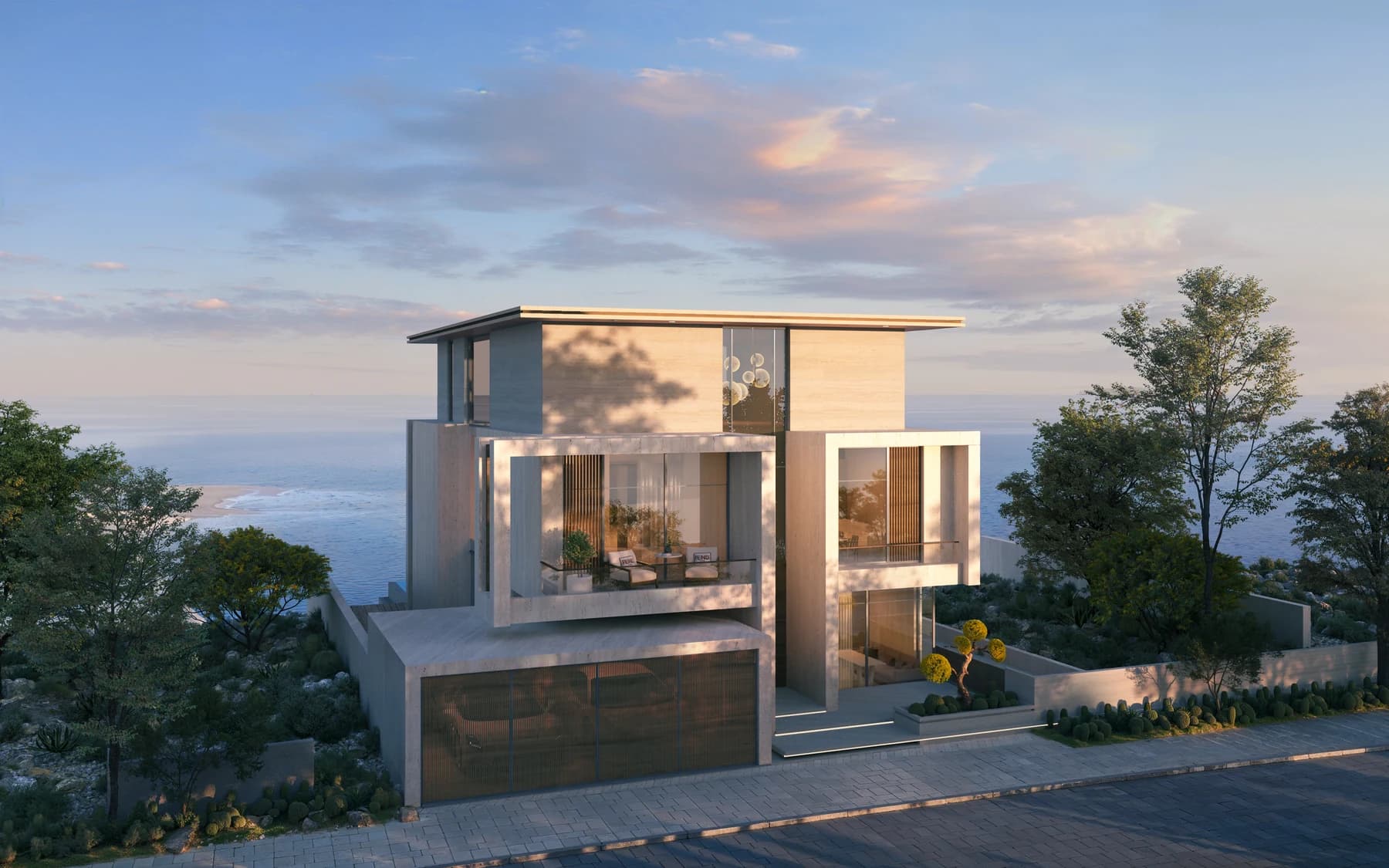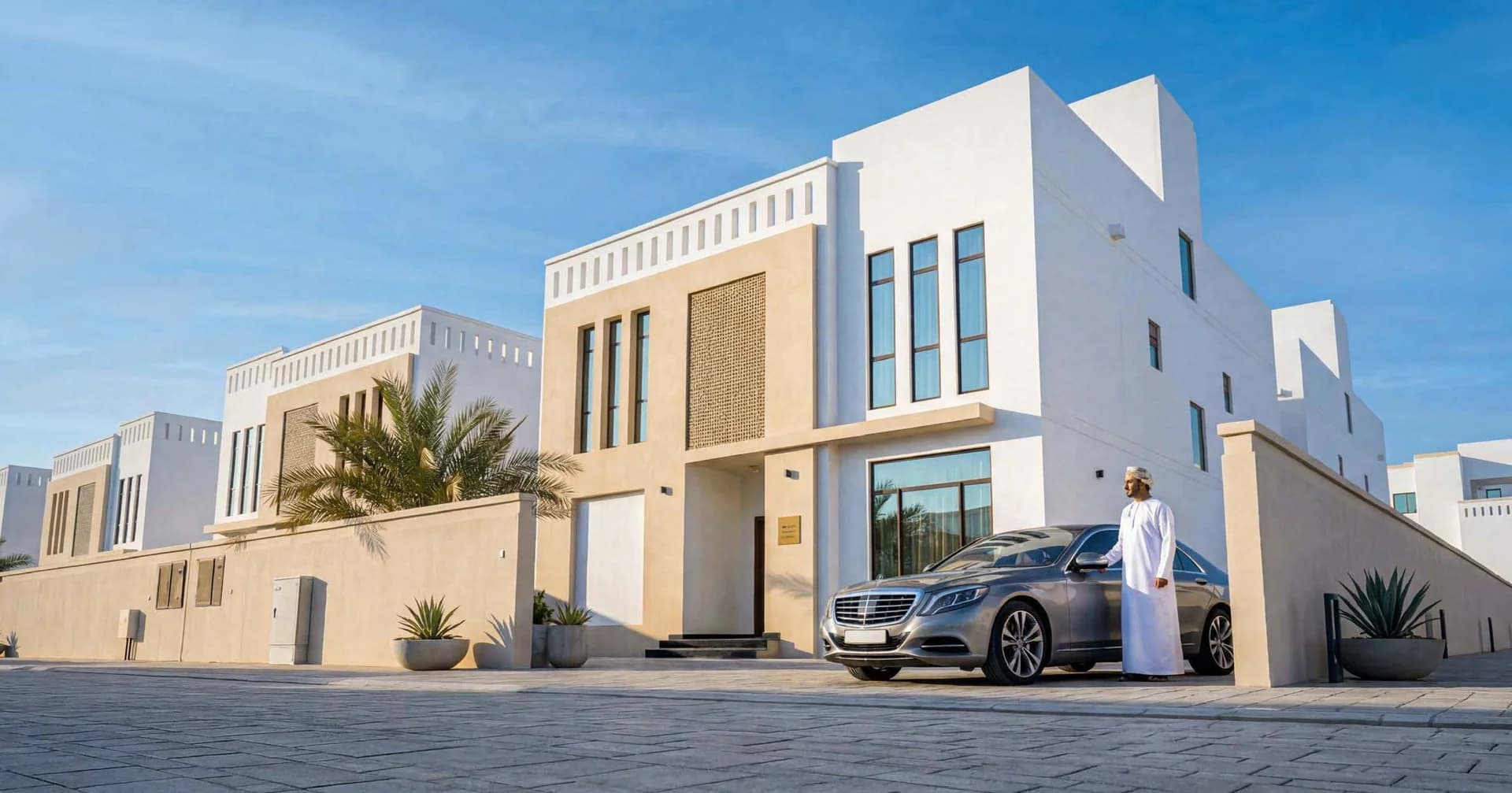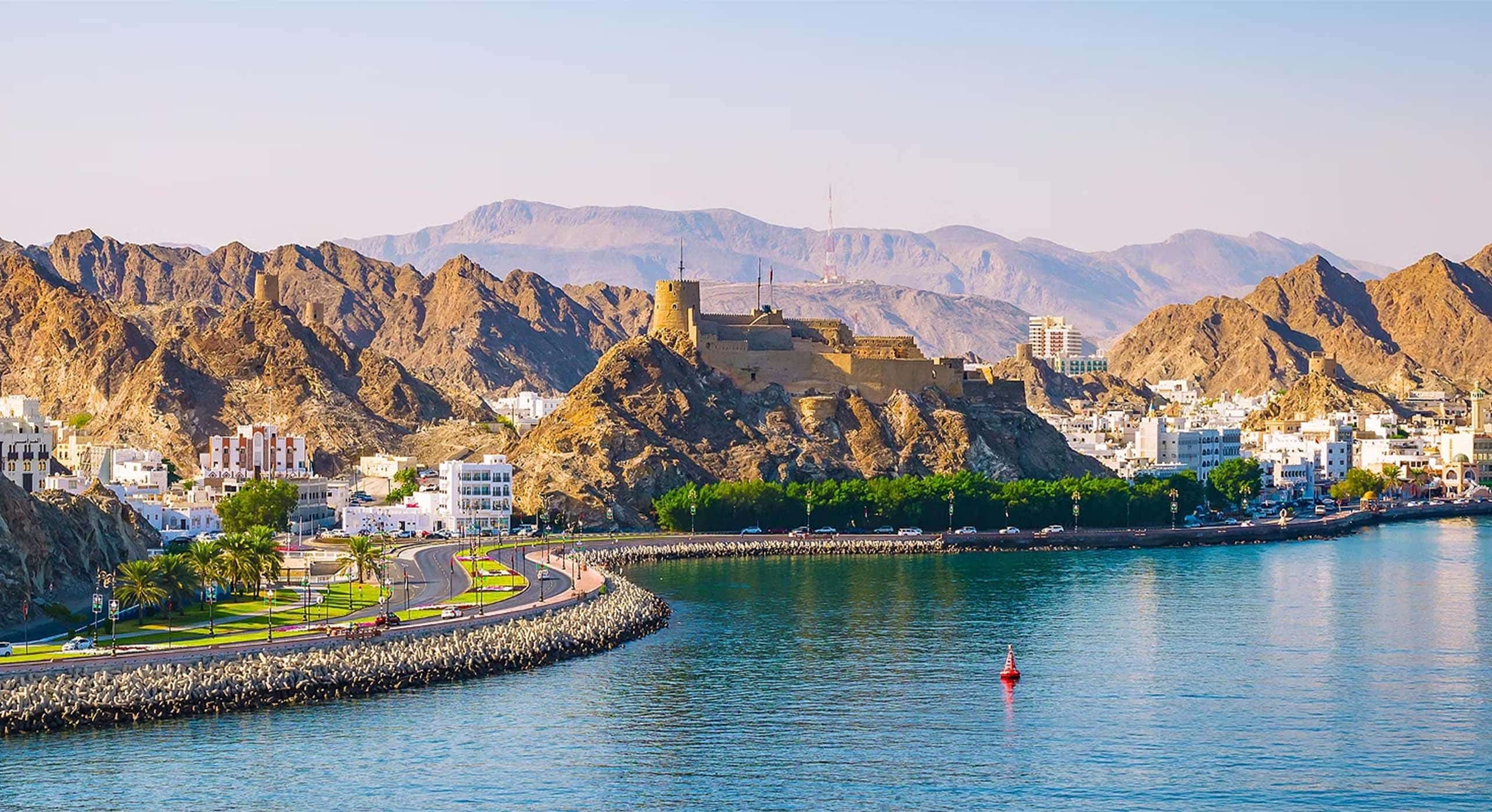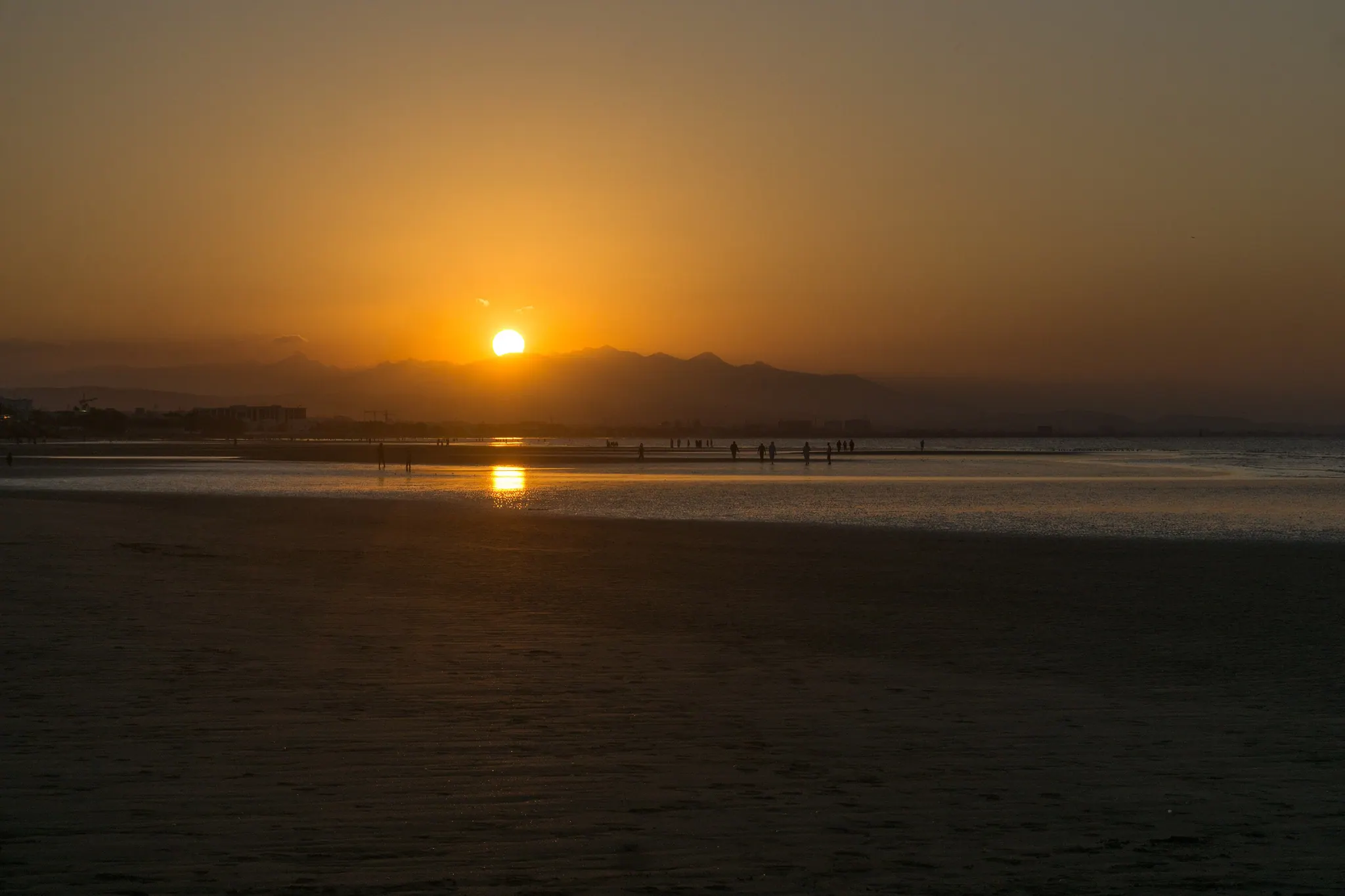
Living in Oman is quieter and closer to the outdoors than life in the larger Gulf cities. Muscat stretches along the coast between the Hajar mountains and the Gulf of Oman, low-rise and green in places, and daily life turns on beaches, marinas, wadis and family neighbourhoods rather than a skyline. About 43% of the country's 5.4 million people are expatriates, there is no personal income tax until 2028, and rent is the cost that shapes a household budget.
This guide covers the Oman lifestyle as residents live it: life in Muscat and Salalah, the culture and the rules that matter, the week and the seasons, safety, what housing costs, tax, and how buying a home ties into residency. Each topic has its own page in our living in Oman section, linked as you go.
Life in Oman at a glance
| Topic | What to know | Source |
|---|---|---|
| Population | 5,398,645 at the end of June 2026, of whom 2,334,696 (43.25%) were expatriates | NCSI, via Times of Oman, 11 August 2026 |
| Muscat | 1,542,619 people in Muscat Governorate | NCSI, via Times of Oman, 11 August 2026 |
| Time | Gulf Standard Time, UTC+4, no daylight saving | timeanddate.com |
| Working week | Sunday to Thursday; Friday and Saturday are the weekend in both the public and private sectors | Gulf News |
| Currency | The Omani rial, pegged to the US dollar since 1986, about USD 2.60 to the rial | Central Bank of Oman; Reuters |
| Income tax | None today; 5% on net income above OMR 42,000 a year from 1 January 2028 | Royal Decree 56/2025 |
| Property tax | No annual property tax, no inheritance tax | PwC, July 2026 |
| Renting | Al Mouj apartments about OMR 664 a month, four-bedroom villas about OMR 1,700 (Q2 2026) | Savills, via Oman Observer |
| Entry | Visa-free stays of up to 14 days for visitors from more than 100 countries | Ministry of Foreign Affairs, September 2026 |
| Residency through property | 10-year Golden Residency from OMR 200,000 for a completed ITC home with a title deed | Ministry of Commerce, Industry and Investment Promotion, 2025 |
Living in Oman: what daily life is like
Oman feels different from its neighbours within a day. Building heights in Muscat stay low, the old town and the souq at Muttrah are still lived in, and the mountains stand behind every view. The capital is international: expatriates make up close to half of the country, and in the planned communities along the coast you hear English, Arabic, Hindi, Urdu, Tagalog and a dozen European languages on the same promenade.
Families build their week around school, the beach and the weekend drive. A Friday might be a morning on the water at a marina, lunch in a beach club and an evening walk along the corniche; a Saturday, a drive inland to swim in a wadi or up into the cooler mountains. Expat life here suits people who want space, nature and a calmer pace more than nightlife and malls, and the people who settle tend to stay.
InterNations ranked Oman 12th of 53 destinations in its Expat Insider 2024 survey, with its highest marks for friendliness, security and ease of settling in (Oman Observer, 17 November 2024). Rankings move from year to year; the reasons expats give have stayed much the same.
The working week and the clock
The working week runs Sunday to Thursday, with Friday and Saturday as the weekend for both the public and private sectors, the same pattern as most of the Gulf. Oman keeps Gulf Standard Time, UTC+4, all year with no daylight saving, so it is four hours ahead of London in winter and three in summer. Friday prayers shape the middle of the day on Friday, and shops and offices keep shorter hours during Ramadan.
Life in Muscat: choosing where to live
Muscat is a string of districts along the coast, and where you live decides how your day runs. Start with the school run and the commute, then choose the community.
| Area | What it is like | Can a foreigner buy here? |
|---|---|---|
| Al Mouj Muscat | A planned waterfront community near the airport: marina, beach, golf course, shops and restaurants on site | Yes, an Integrated Tourism Complex |
| Muscat Bay | Homes set in coves between the mountains and the sea, south-east of the old town | Yes, named among the ITCs |
| Qurum and Shatti Al Qurum | Established villa districts near the beach, the park and the main shopping streets | Only inside ITC or designated projects |
| Al Khuwair, Bausher and Ghala | Central districts with ministries, offices, clinics and many schools; a common choice for renters | Usufruct flats under the 2020 rules, in named areas |
| Muttrah | The port, the corniche and the souq: the city's historic heart | Check each project |
| AIDA and Yiti | Resort communities on the cliffs and coast south-east of Muscat, with golf and hotel homes | Dar Global says foreign buyers can own freehold at AIDA |
| Jebel Sifah | A marina and golf resort town on the coast beyond Yiti, a weekend base or a quiet year-round home | Yes, an ITC regulated for foreign ownership |
| Sultan Haitham City | A new planned city in Seeb for 100,000 residents, built in phases from 2024 | Yes, a designated area for foreign ownership |
The planned communities are where most foreign buyers live, because that is where they can own: they come with security, landscaped streets, pools and a managing company that keeps them in order. The older districts give you more of the city and lower rents, and you rent rather than buy. Our area matchmaker ranks the districts against your own priorities, and living in Muscat goes district by district.
Getting around Muscat
Muscat is a city of cars. The planned Muscat Metro, about 50 km from Sultan Haitham City to Ruwi with around 36 stations, was still at feasibility stage in January 2026, so daily life runs on the expressway and the coast road. Most families keep two cars. A resident who stays beyond the first weeks needs an Omani driving licence; visitors can drive a hire car on some foreign licences for the first 6 weeks, phone use at the wheel is illegal, and the UK Foreign Office warns that driving outside Muscat carries risks from camels and goats on the road. Getting around Oman covers licences, taxis and the roads.
Living in Salalah and the Khareef
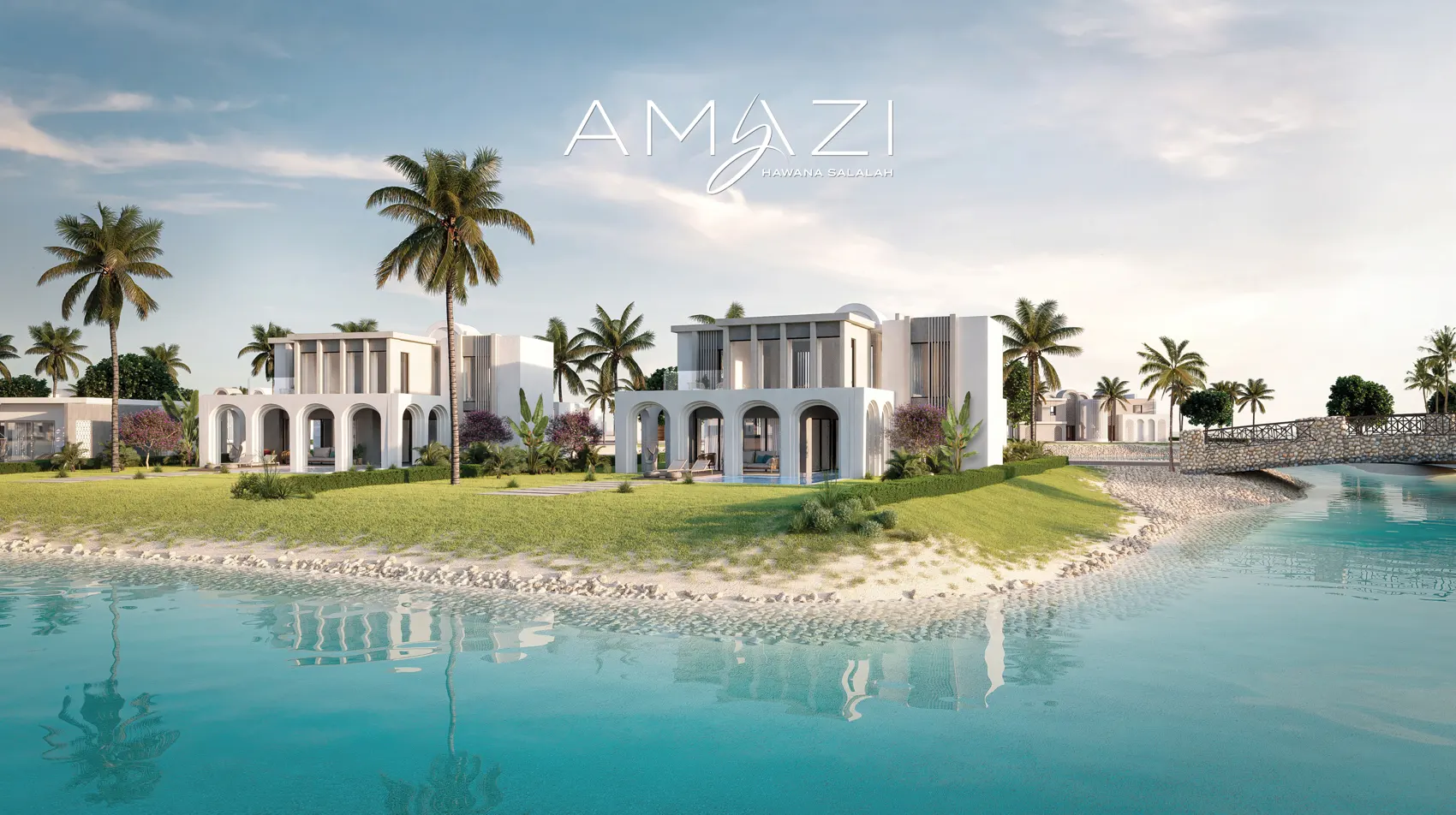
Salalah, in Dhofar on the Arabian Sea, is the other city expats and Gulf families choose. Its pace is slower, the beaches emptier and the climate unlike anywhere else in Arabia: from June to September the Khareef monsoon brings mist, light rain and green hills while the rest of the Gulf bakes. The season drew 1,116,051 visitors between 21 June and 31 August 2026, up 8.6% on the 1,027,255 of the same period in 2025 (NCSI, via Oman Observer). Foreign buyers in Dhofar can own inside an ITC such as Hawana Salalah. See living in Salalah and our comparison of Muscat and Salalah.
Omani culture and the rules that matter
Oman is the home of the Ibadi school of Islam. The government publishes no breakdown, and the US State Department's estimate puts the population at 95% Muslim, with Ibadi and Sunni Muslims at about 45% each. Hospitality is central to daily life: guests are received with qahwa, Omani coffee scented with cardamom, served in small cups with dates. Frankincense from Dhofar is burned in homes to welcome visitors.
A few rules shape life for newcomers, set out by the UK Foreign Office for its own nationals and true for every expat:
- Dress: in public, including malls, clothing should cover the tops of the arms and the legs to below the knee. Swimwear belongs on tourist beaches and at pools.
- Alcohol: served to visitors in licensed hotels and restaurants. Non-Muslim residents can apply for a licence to keep alcohol at home. Drinking or being drunk in public is illegal, and the legal age is 21.
- Ramadan: do not eat, drink or smoke in public in daylight, including in your car, and expect shorter working and shop hours. Evenings are busy with iftar gatherings.
- Photography: do not photograph people without their permission, or government and military sites.
- Manners: public displays of affection are frowned upon, and swearing and rude gestures are illegal, including at the wheel and online.
- Worship: non-Muslim congregations meet in churches and temples on land the government has given for the purpose.
Climate and seasons in Oman
The year divides into a long, hot summer and a mild winter. Oman's average temperature in July 2025 was 33.9°C with average humidity of 54.7% (NCSI), and the coast is humid, so from May to September outdoor life moves to early mornings and evenings and most homes run air conditioning all day. From late October to March the weather is warm and dry, the best months for hiking, camping in the sands and the beach. Wadis flood quickly after heavy rain, most often between October and March, so stay out of them when rain is forecast. Climate and seasons in Oman has the month-by-month detail.
Is Oman safe to live in?
Oman has a long record of stability and neutrality, and residents rank it well for personal security. Street crime is low by international standards, though the UK Foreign Office notes that attacks are "relatively rare, but happen", so take ordinary care at night. The real caveat is the region: the same advice, updated 27 October 2026, warns that the risk of sudden escalation across the Middle East is high and that airspace can close at short notice. Read your own government's current travel advice before you move, and keep it in mind when you plan travel through the region.
Cost of living in Oman: housing first
Rent is the largest line in most household budgets and the only one with independent, published figures. Savills tracks rents in the main expat communities:
| Area | Two-bedroom apartment, monthly | Four-bedroom villa, monthly | Period |
|---|---|---|---|
| Al Mouj | OMR 664 | OMR 1,700 | Q2 2026 |
| Al Mouj | OMR 710 | OMR 1,770 | Q1 2026 |
| Muscat Hills | OMR 491 | OMR 1,200 | Q1 2026 |
| Qurum | OMR 350 | Q1 2026 | |
| MSQ | OMR 908 | Q1 2026 |
Qurum apartment rents rose 16% and MSQ villa rents 22% in the second quarter of 2026 (Savills, via Oman Observer). Groceries, utilities, fuel, school fees and health insurance vary widely by household and provider; we do not quote them, because no independent source publishes current figures. Our page on the cost of living in Muscat keeps a checklist of what to ask for, and international schools in Muscat and healthcare in Oman cover the two costs families ask about most.
Renting or buying in Muscat: a worked example
A family weighing a two-bedroom apartment at Al Mouj can compare a year's rent with the one-off cost of buying a new home there. The purchase example is a two-bedroom at ALMAR Residences, from OMR 164,967, which is under construction with completion set for the second quarter of 2029.
| Renting a two-bedroom at Al Mouj | Buying a new two-bedroom at ALMAR | |
|---|---|---|
| Price or rent | OMR 664 a month (Savills, Q2 2026) | OMR 164,967 |
| A year of rent | OMR 7,968 | |
| Registration fee, 3% | OMR 4,949 | |
| VAT, 5% on the first sale of a new home | OMR 8,248 | |
| Fixed form and title-deed charges | OMR 37 | |
| One-off cost of buying | OMR 13,234 (about 8%) |
The landlord registers the lease and pays the 3% lease registration fee, and residential rent carries no VAT. A buyer pays the service charge from handover and, from 2028, income tax on any rent earned above the threshold. Run your own figures in the buying cost calculator and the rental yield calculator; the full fee schedule is in our guide to property costs and taxes in Oman.
Tax in Oman for residents
There is no personal income tax in Oman today, no annual property tax, no stamp duty and no inheritance tax (PwC, July 2026). That changes in part on 1 January 2028, when Royal Decree 56/2025 brings in a 5% tax on net income above OMR 42,000 a year. Residents are taxed on worldwide income and non-residents only on income from Oman, and taxable income includes rent and the proceeds of selling property.
| Annual net income | Income tax from 2028, at 5% on the part above OMR 42,000 |
|---|---|
| OMR 30,000 | OMR 0 |
| OMR 42,000 | OMR 0 |
| OMR 60,000 | OMR 900 |
| OMR 100,000 | OMR 2,900 |
The table reads the threshold as untaxed and the rate as applying to the excess; the executive regulations had not been issued by October 2026, so confirm your own position with a tax adviser. VAT is 5%. Our guide to Oman's 2028 income tax and property works through landlords' cases.
Residency: living in Oman as a foreigner
Most expats live in Oman on a work visa sponsored by their employer, with family visas for a spouse and children. Visitors from more than 100 countries, including the UK, the US, Canada, Australia and every EU state, can stay up to 14 days without a visa, and GCC citizens need none (Ministry of Foreign Affairs, September 2026). Buying a home adds routes of its own:
| Route | Who it suits | Key terms |
|---|---|---|
| Golden Residency | Buyers of a completed home in an Integrated Tourism Complex from OMR 200,000, with a title deed | 10 years, renewable; first-degree relatives with no limit on number or age; applied for through Invest Oman |
| ITC owner residence visa | Owners of a residential unit in an ITC | Valid for two years; fee OMR 50 (Royal Oman Police) |
| Property owner visa, ROP Decision 87/2026 | Buyers of a plot prepared for construction or of a unit whose registration is not yet complete | No sponsor; six months to one year, renewable; covers spouse and first-degree relatives |
| A retiree route | Long-standing residents with retirement income | Existed under the 2021 scheme; confirm it is still open before applying |
Off-plan homes do not qualify for the Golden Residency until they are completed and the title deed is issued. The residency pathfinder matches a route to your plans, and the visa and residency guide sets out each one.
Buying a home in Oman as an expat
Foreign ownership is limited to designated areas. Non-Omanis may own land and homes inside licensed Integrated Tourism Complexes, under Royal Decree 12/2006, and in June 2026 the Ministry of Housing and Urban Planning named the other designated areas: the future cities of Sultan Haitham City, Al Thuraya City and Al Jabal Al Aali, and integrated neighbourhoods such as Surouh. It added that foreign ownership "has not been opened to all areas of the Sultanate". Under 2020 rules, resident expatriates could also buy a usufruct right, up to 50 years renewable to a maximum of 99, over a flat in named Muscat districts; that route carries no residence visa.
Homes buyers choose for living rather than letting include ALMAR Residences and Vistal by Victoria Swarovski at Al Mouj, from OMR 101,853 and OMR 140,000; The Plaza at The Sustainable City Yiti, from OMR 86,818; and The Great Escape 2 at AIDA, from £200,000. A larger family looking at Sultan Haitham City can start with Wadi Zaha, the park-front neighbourhood by the Egyptian developer Al Ahly Sabbour, from OMR 43,050. Our guide to buying property in Oman covers the process step by step.
What matters to you
Narrow it down
Find your part of Oman
Choose what matters, and your shortlist appears here.
Mark at least one thing as nice to have or essential. We rank 19 areas across 4 regions of Oman against it and show the closest three.
What you will see
- Each area scored from 0 to 5 on ten things, from schools to the waterfront
- Entry prices per square metre, where a source gives them
- Drive time to the nearest airport
What we check before a family buys to live
We help expats choose homes in Muscat every week, and the questions that decide a move are practical. We map the school run and the commute at the hours you will drive them. We ask the developer for the service charge schedule and what it covers. We check parking, the rules on letting the home while you are away, and the handover specification in writing against the brochure. And we confirm the title route and the residency position for the specific home before you reserve, because those two facts decide whether the home works for your family's visas. Moving to Oman: the checklist gathers the rest.
This guide is general information, not legal, tax or immigration advice. Rules change; confirm your own case with the authorities and a qualified adviser.