
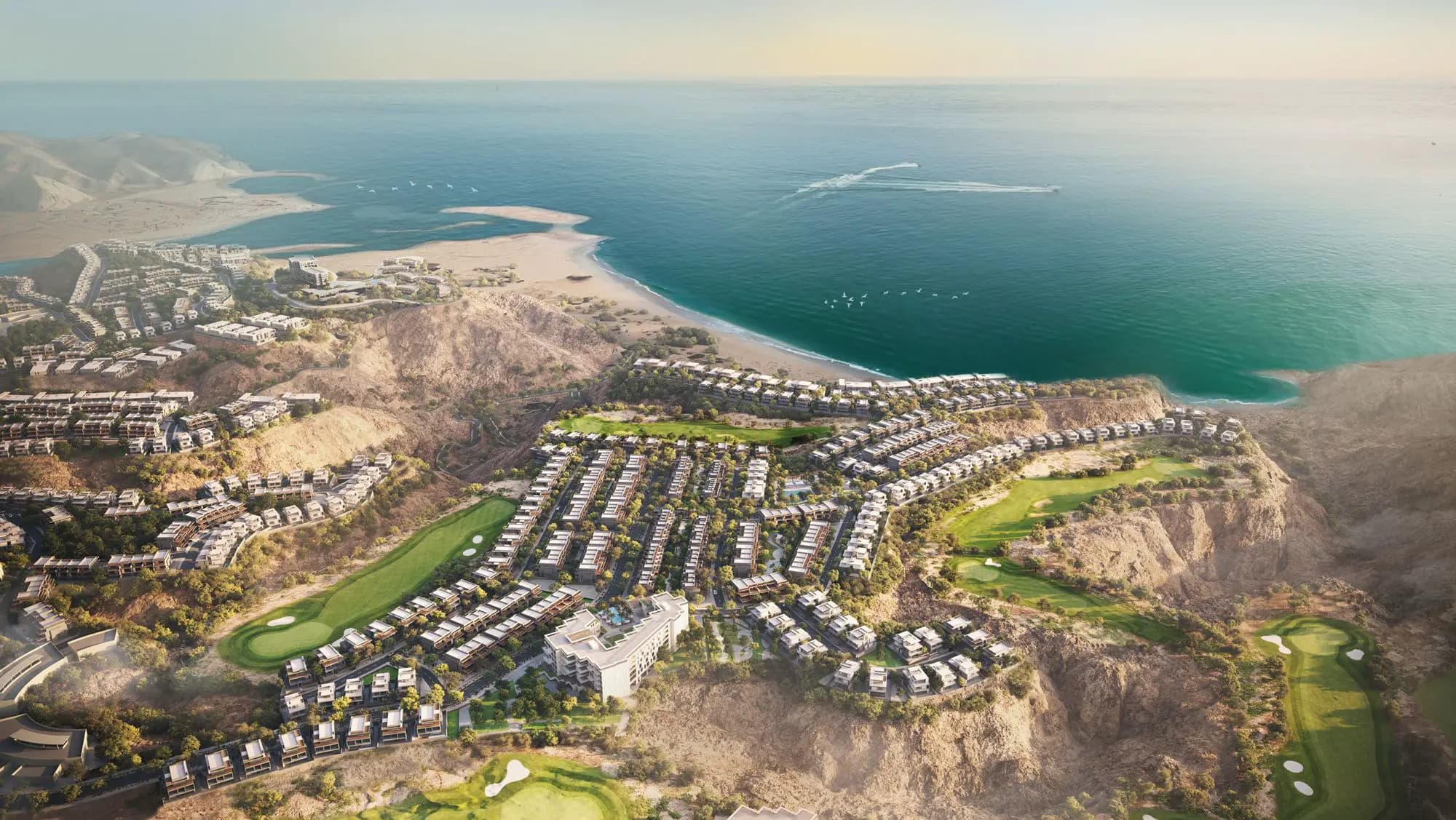
Branded Residences in Oman
A 2026 buyer-first guide
Understand what's genuinely managed vs marketing, underwrite the fees properly, and get a shortlist matched to your lifestyle or investment objective.
Market overview
Why branded residences are growing now
Branded residences blend private ownership with hotel-grade standards and services. In Oman, they are expanding alongside new destinations and a rising appetite for managed, lifestyle-forward living, especially in prime urban corridors and resort ecosystems.
Last updated
December 2026
Demand drivers
Why buyer demand is rising
Branded residences are not just about a name. In practice they sell when they reduce risk and friction: clearer standards, service delivery, and a managed experience that fits time-poor owners and high-demand corridors.
Practical summary
Standardization and trust: buyers pay for predictable delivery, service levels, and brand-backed standards.
Managed lifestyle: concierge, maintenance, and amenities matter for owners buying remotely or living across multiple cities.
Deep demand in prime corridors: where liquidity and rental demand are stronger, branded products can outperform weaker micro-locations.
Institutional-grade operations: better day-to-day management can protect the owner experience and support tenant demand.
Who is building
Who is building branded residences in Oman
Supply is coming through a mix of destination-led development and urban prime projects, often via partnerships with global hotel and lifestyle brands. Muscat leads with major developments including Trump AIDA, Mandarin Oriental, St. Regis, Tivoli, and Marriott branded residences.
Muscat AIDA development with Trump and Marriott
The AIDA project in Muscat features Trump Signature Villas and Marriott Residences, with an international golf club and sea views. The USD 4 billion development offers 100% freehold ownership for foreign buyers.
Dar Global and OMRANMuscat Mandarin Oriental and St. Regis residences
The Residences at Mandarin Oriental Muscat offer 156 luxury beachfront apartments, while St. Regis Al Mouj provides 162 branded residences with private butler service and 24-hour concierge.
Muscat luxury developmentsTip: do not buy the name alone. Ask who operates, what they manage, and what the fees actually include.
Resale and occupancy
Resale value and occupancy, a practical lens
Branded can help resale and occupancy when the product is genuinely managed and the rules are workable. It can also underperform if fees are opaque, restrictions are heavy, or the brand is marketing-only.
What actually improves liquidity
Resale liquidity improves when standards and operating rules are clear to the next buyer.
Occupancy can be supported by a stronger tenant profile when services are consistently delivered.
Fee drag is the biggest hidden risk: high charges can overwhelm the benefit of the brand premium.
Rental rules matter: if you cannot legally and practically execute your rental strategy, the brand is irrelevant.
For a broader due diligence framework: Buying guide.
Get the definition right
What actually makes a residence ‘branded’?
A logo is not enough. The value comes from the operating model: who manages the experience day to day, what standards are contractually delivered, and whether the fees create real utility, or just fee drag.
Smart questions before you reserve
- Ask: who is the operator and what do they manage (concierge, maintenance, rentals, amenities)?
- Verify: the brand standards, handover specs, and what’s included vs optional.
- Compare: total annual fees (and reserves) against non-branded peers in the same corridor.
Where they tend to cluster
Muscat, Salalah, and coastal destinations
Branded residences usually show up where demand is deep, liquidity is stronger, and hospitality ecosystems exist: prime urban districts, waterfronts, and resort-led destinations.
Muscat: luxury demand in Al Mouj, AIDA, and Muscat Hills with major masterplan developments.
Salalah: waterfront lifestyle and hotel residences in Hawana Salalah and premium coastal locations.
Coastal and resort destinations: hospitality-linked residences in Yiti and emerging coastal areas.
For demand drivers and the big picture: Vision 2040.
Where returns are won or lost
Fees & service charges: how to underwrite properly
The brand premium can be real, but recurring fees often matter more than the entry price. Underwrite net returns (not headlines) and stress-test resale liquidity in the real competitor set.
Quick underwriting checklist
What is the annual service charge and what exactly does it include?
Is there a reserve fund / FF&E and how is it calculated?
Are short-stay rentals allowed? If yes, who can manage them?
What happens on resale (transfer fees, approvals, marketing restrictions)?
Buy with clarity
A buyer-first framework (that avoids expensive surprises)
A simple process works best: align the product to your use case, read the management/fee model like an investor, then compare alternatives before you reserve.
- 1
Define your use case
End-use, investment, or seasonal use changes the right operating model and rental rules.
- 2
Validate the operating model
Separate marketing from management: operator scope, standards, and delivery timelines.
- 3
Model net outcomes
Build a simple net-return view: fees, reserves, occupancy, and exit liquidity.
- 4
Benchmark against non-branded peers
Compare inside the same corridor and price bracket to validate the premium.
For eligibility and residency context: Visa & Residency.
Conversion-grade help
A shortlist built around objective-fit, fees, and delivery quality
We start with your objective and constraints, then build a short comparison set with the items that actually drive outcomes: contract clarity, total fee load, rental rules, developer track record, and exit plan.
Objective fit
Lifestyle vs yield vs hybrid, each points to a different product and operating model.
Contract + fee clarity
We focus on recurring costs, restrictions, and what the operator truly manages.
Benchmarking
We compare to non-branded peers to see whether the premium is justified.
Featured developments
A few developments to start your comparison
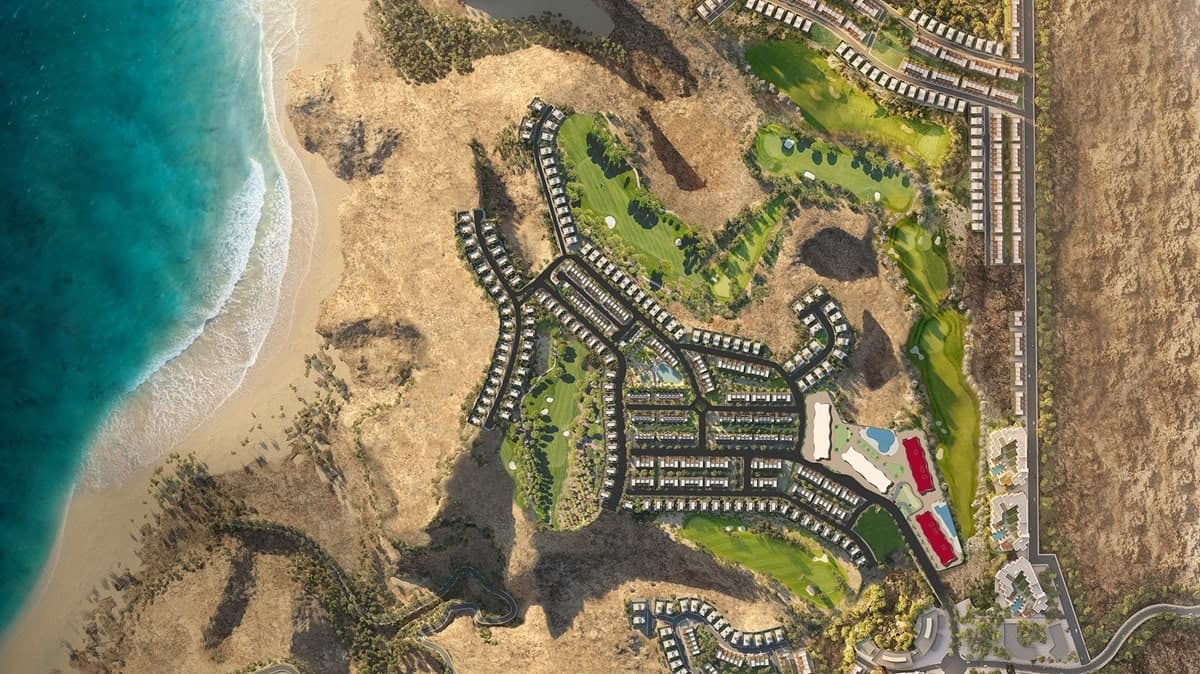
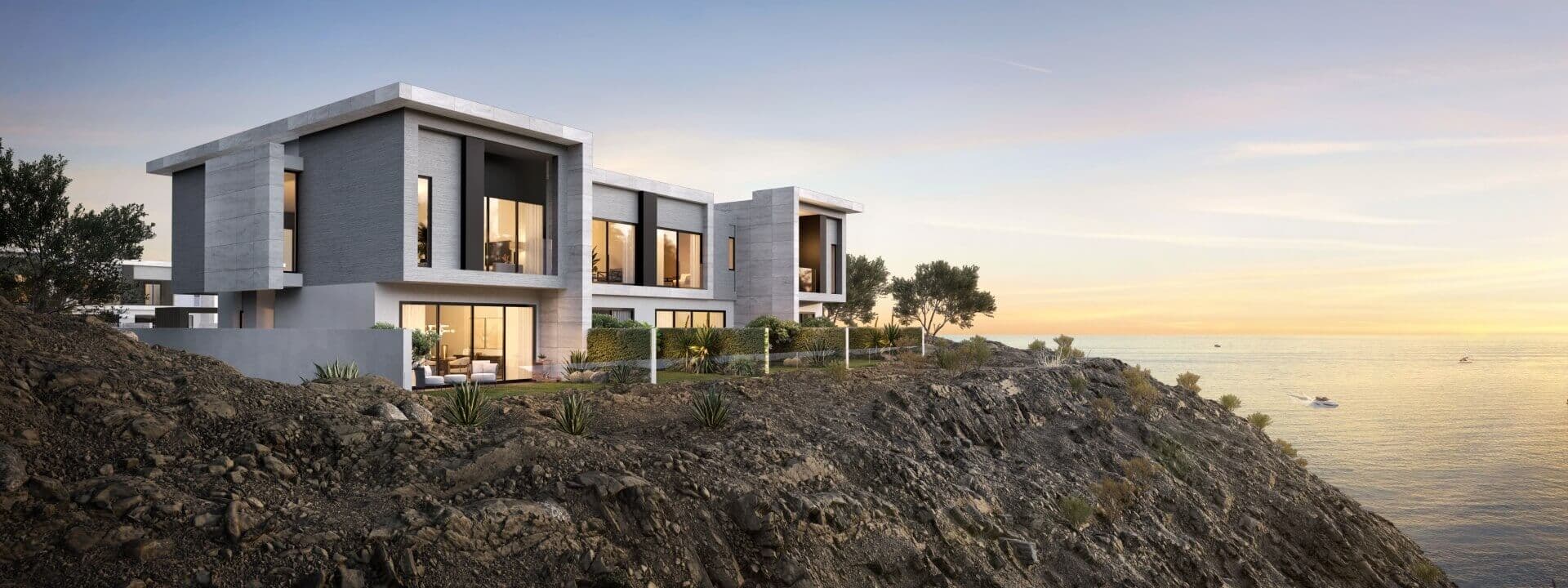
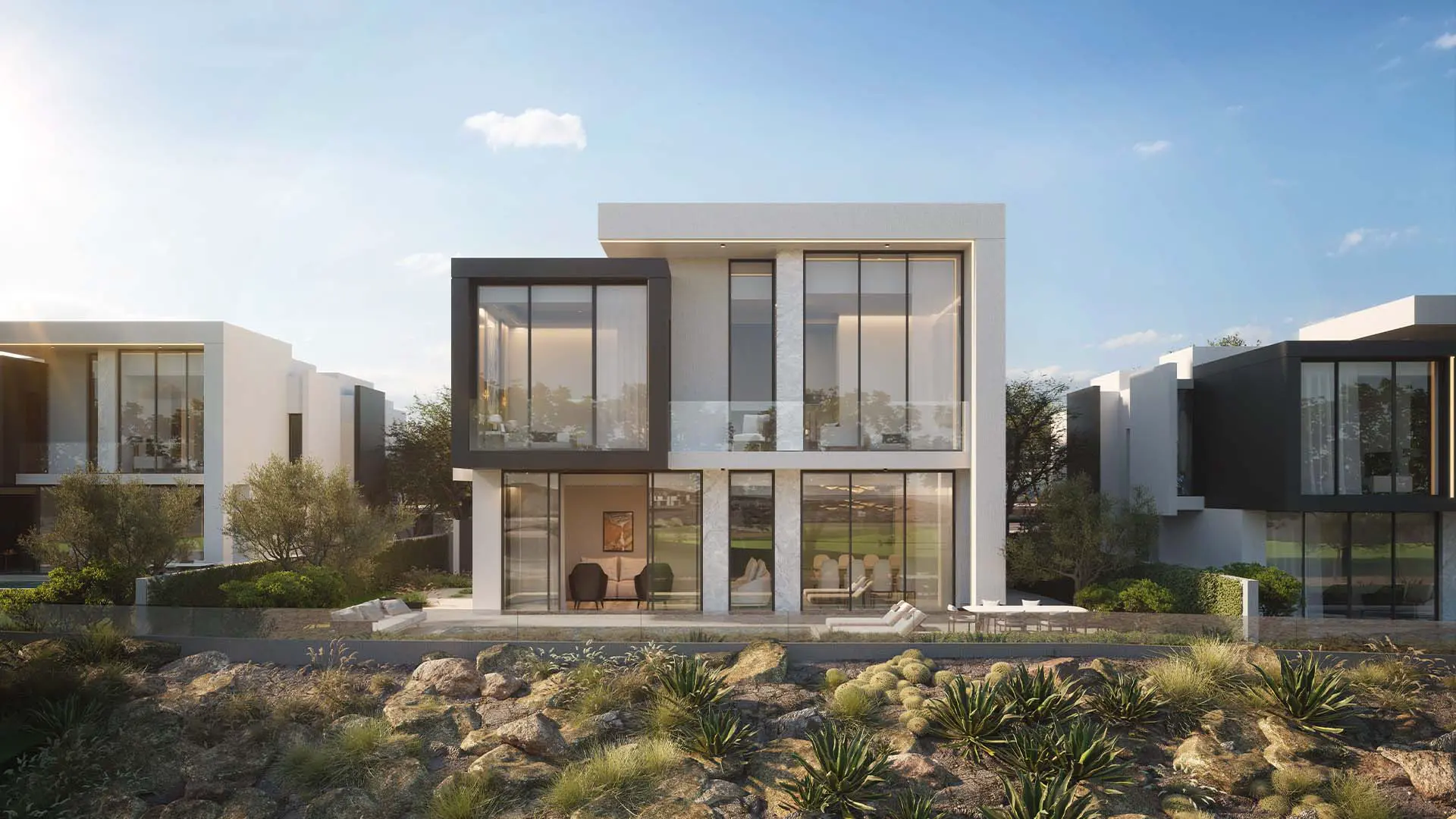
These are developments from our published portfolio. Some may suit buyers seeking a managed lifestyle experience. If you want a strict ‘branded only’ shortlist, we’ll match options to your goal and timeline.



FAQ
Straight answers before you commit
Branded residences typically have contract-defined standards tied to a specific brand/operator, while serviced apartments can be operated without the same brand standards or owner benefits. What matters is the operating scope, contractual guarantees, and the fee model.
Often yes because service levels are higher, but the right question is whether the utility offsets the fee load. Evaluate what is included (maintenance, concierge, amenities, rental management) and underwrite net outcomes versus peers.
Not always. Some projects allow short-stays (sometimes via a specific operator); others restrict it. Confirm building rules, rental management options, and how fees apply to rental income.
Often yes, but eligibility depends on location, asset type, and the ownership route. Confirm eligibility before reserving and get legal advice where appropriate.
Focus on the contract, total fee and reserve structure, rental rules, developer quality, and remedies for delay/defects. In branded deals, the operating model details are critical.
Your next step
Get a branded shortlist matched to your goal
Share your budget, preferred city, and whether you’re buying for end-use or investment. We’ll respond with a tight shortlist and a clear fee + contract comparison.
Keep reading
Our gold-standard resources
Go deeper on buying, market drivers, and residency routes.