Nobody can give you an exact ranking, because Oman does not publish property purchases by nationality. What the evidence supports is this: the market is mostly Omani, foreign buyers are concentrated in a handful of designated areas, and inside those areas Indian and British buyers are the groups agents report most often, with Gulf neighbours close behind and UAE-based buyers the fastest-growing source in 2026.
Any table that claims a precise share for each nationality is an estimate, not registry data. This article separates what is measured from what is reported, and says what it means if you are deciding where to buy.
What the official data shows
The national registry, published by the National Centre for Statistics and Information (NCSI), counts every sale in the Sultanate. In 2024 it recorded OMR 3.38 billion of real estate trading and 233,345 title deeds. Almost all of that is Omani buyers, and it includes residential plots as well as homes.
The registry publishes one cross-border line: deeds issued to citizens of other GCC states. It rose 10% to 1,447 in 2024. In the first eight months of 2026 it fell 11.0% to 723.
That fall does not show Gulf interest fading. Most people who live in the UAE are expatriates, and this line counts citizens only, so a non-citizen buying from Dubai or Abu Dhabi is missing from it. The registry has no series for foreign buyers in general, or for sales inside Integrated Tourism Complexes (ITCs).
| Evidence | Figure | What it cannot tell you |
|---|---|---|
| Total real estate trading, 2024 (NCSI) | OMR 3.38 billion and 233,345 title deeds | Who bought. It is the whole market, mostly domestic |
| Deeds issued to GCC citizens (NCSI) | 1,447 in 2024, up 10%. 723 in January to August 2026, down 11.0% | Expatriates living in the Gulf are not counted |
| UAE buyers, from a Ministry of Housing statement that AGBI reported in April 2026 | Roughly one in three transactions in March 2026, against a 2025 average of 12% | Whether that share lasted beyond March |
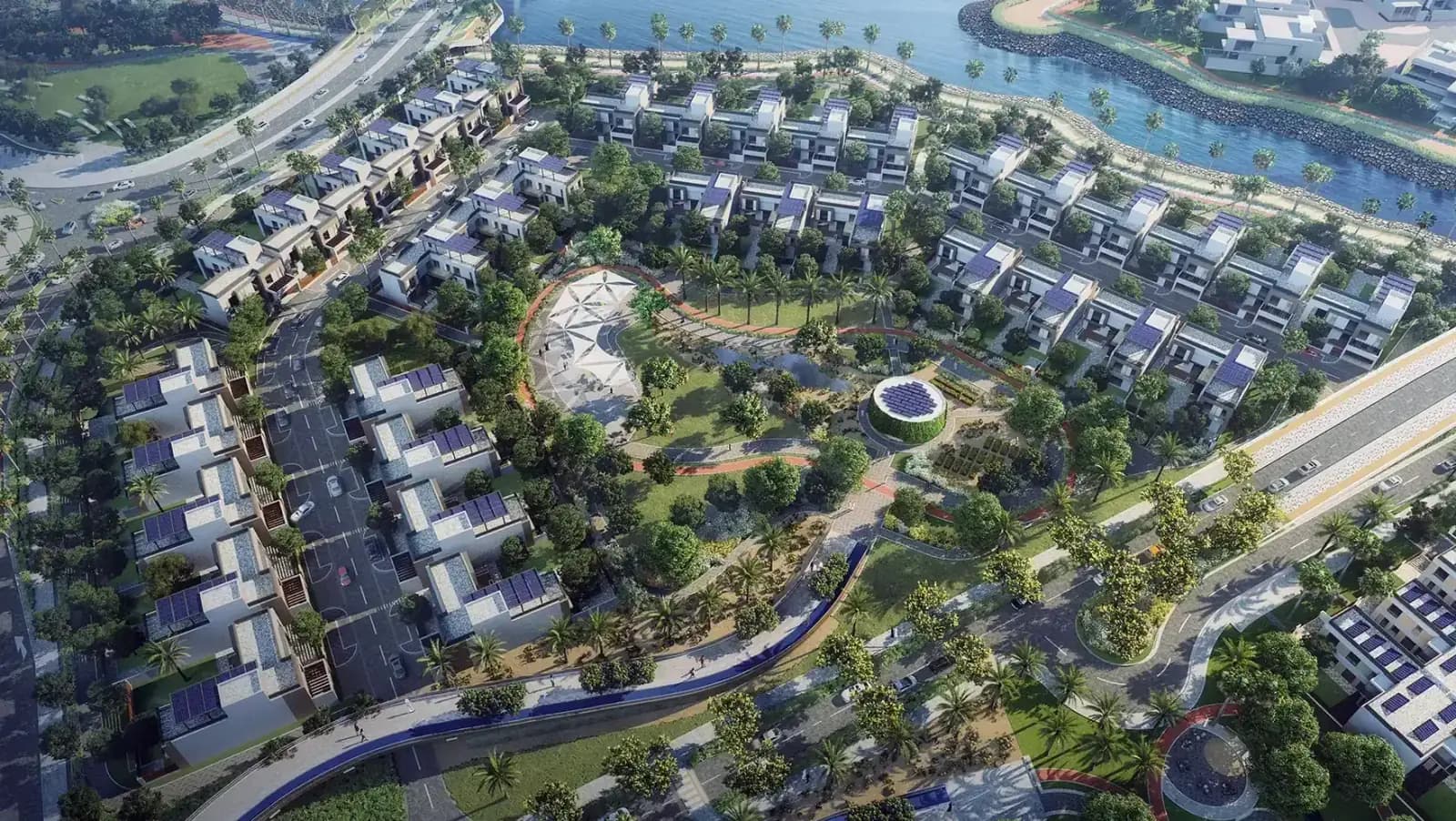
| Sultan Haitham City sales, reported in mid-2026 | About 1,700 homes sold, to buyers from over 35 countries | How those sales split between nationalities |
| Expatriate residents, December 2024 (NCSI) | 2,284,336 of 5,272,984 people, about 43% | Who is in a position to buy |
Sources as stated in each row, drawn from the group's 2026 research reports. One further estimate in that research puts foreign purchases in the ITCs at about 22% of real estate activity in 2023.
The buyer groups agents report most often
With no registry split, the picture comes from who lives in Oman and who agents meet in the freehold communities. Treat it as a direction of travel, not a league table.
Indian buyers. Long the most visible group in the ITCs, helped by proximity, business ties and a resident community of about 506,630 at the end of 2024.
British buyers. Historical links with Oman, and for years the draw of an income with no personal tax on it.
Emirati, Saudi, Qatari and other GCC citizens. GCC citizens have wider ownership rights than other foreigners and can buy outside the ITCs in most non-reserved areas. They are especially visible around resort projects.
Expatriates based in the UAE. The change in 2026. The Ministry of Housing said roughly one in three March transactions involved a buyer from the UAE, with Sohar their second choice after Muscat. NCSI's index then showed residential land in Al Batinah North, the governorate that contains Sohar and the main route to the UAE, up 24.8% in the second quarter alone. That fits the ministry's statement, but the index does not say who bought.
A long tail. American, Pakistani, German, Chinese and Australian buyers are all reported in smaller numbers.
The largest expatriate communities are not the largest buyer groups. Bangladeshis were the biggest expatriate nationality at 637,152 in December 2024, while buyers in the ITCs skew towards higher earners.
Where foreign buyers can buy
This shapes demand more than nationality does. The Ministry of Housing and Urban Planning set out the list again on 28 June 2026. Non-Omanis can own in the Integrated Tourism Complexes and in Sultan Haitham City, Al Thuraya City, Al Jabal Al Aali and Surouh. GCC citizens have further areas under their own agreements.
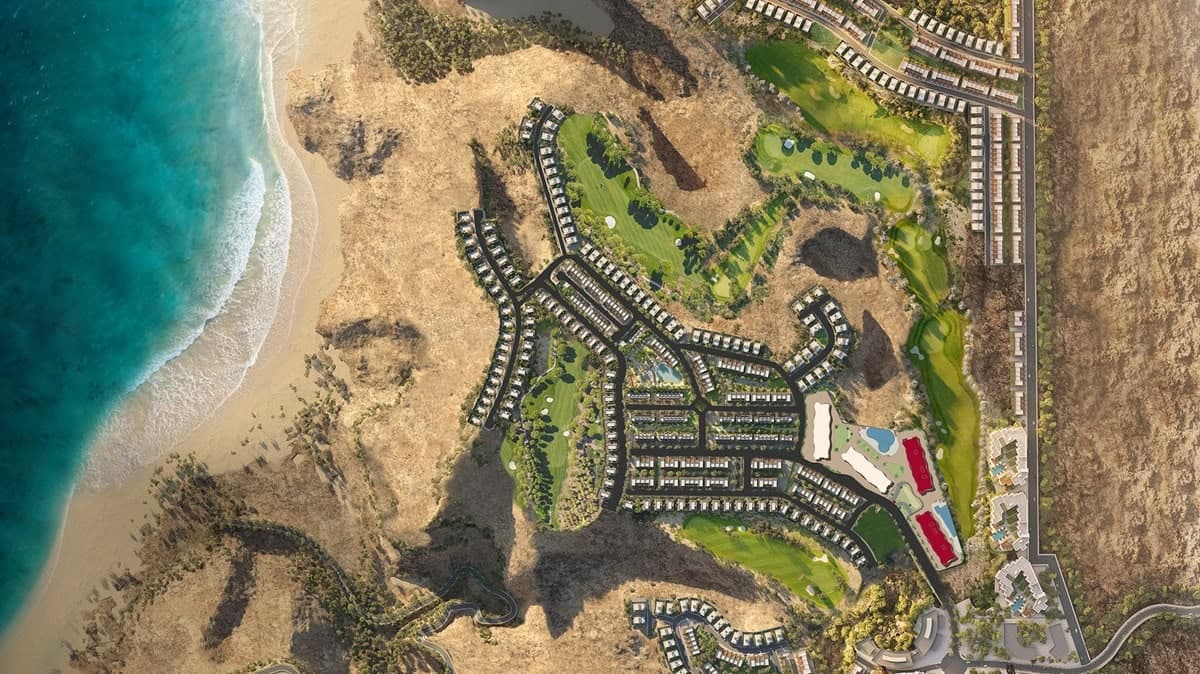
Around Muscat the established ITCs include Al Mouj, Muscat Bay and Muscat Hills, with AIDA under construction at Yiti. That is why the same few names appear on every international shortlist: Al Mouj Muscat, Yiti and AIDA, and Sultan Haitham City.
Rents follow the same map. Savills put a two-bedroom apartment in Al Mouj at OMR 710 a month in the first quarter of 2026, against OMR 385 in Al Khuwair, an older district outside the ITCs where rents fell 14% on the year.
Why they buy
Three reasons recur across every group. Ownership in the designated areas is clear: in an ITC a foreign buyer holds the title in their own name. Residency can follow from a purchase: Golden Residency starts from OMR 200,000 for a completed ITC home with a title deed, lasts 10 years and is renewable. And costs are modest: a 3% transfer fee for foreign buyers on purchase, and no annual property tax afterwards.
2026 added a fourth. The group's October 2026 market report judged that the regional conflict gave Oman's property market a modest lift, as buyers who wanted to spread their Gulf holdings looked at a country whose big ports are on the open-sea side of the Strait of Hormuz. The same conflict hurt tourism: three- to five-star hotels recorded 11.9% fewer guests between January and July 2026, according to NCSI.
One reason is weakening. Oman will tax personal income above OMR 42,000 at 5% from 2028, and rent and sale proceeds count. See our guide to costs and taxes.
What this means if you are buying
You are buying into a small pool. Foreign demand is narrow by design, so your eventual resale depends on the next international buyer, or a tenant, wanting that particular community. Choose places with evidence behind them: occupied homes, rents you can check and a developer with a delivery record.
Do not treat national figures as your market. The registry is dominated by Omani households buying land. For a home in a designated area, compare like with like using the price table and the 2026 market data page.
Property values and rents can fall as well as rise, and off-plan projects can be delayed.
The bottom line
- Oman publishes no buyer-by-nationality figures, so every ranking you see is an estimate.
- Agents report Indian and British buyers most often in the ITCs, followed by Gulf citizens.
- Roughly one in three transactions in March 2026 involved a UAE buyer, against a 2025 average of 12%.
- GCC citizens received 723 deeds in January to August 2026, down 11.0%, but expatriates are not in that count.
- Foreign demand sits in designated areas, so judge a home by its own community, rent and developer.
What to check before you reserve
- That the home is in an area where a buyer with your passport can own, confirmed in writing.
- The title type for that specific home.
- Current rents for comparable homes in the same community.
- Which residency route applies, using the residency checker.
- How long comparable homes have taken to resell.
Frequently asked questions
Which nationality buys the most property in Oman?
Omanis, by a wide margin. Among foreign buyers, agents most often name Indian and British buyers in the ITCs, but there is no official count to confirm an order.
Can any foreigner buy property in Oman?
Yes, in designated areas. The ministry named them again in June 2026: the Integrated Tourism Complexes, and four named districts including Sultan Haitham City. GCC citizens have wider rights.
Are buyers from the UAE really moving into Oman?
The Ministry of Housing said roughly one in three transactions in March 2026 involved a UAE buyer, up from an average of 12% in 2025. No later figure had been published in the sources used here, so treat it as a strong signal, not a settled trend.
Does Oman publish foreign buyer statistics?
Only one line: title deeds issued to citizens of other GCC states. There is no published series for other nationalities or for sales inside the ITCs.