Complete investor guide for 2025 and 2026
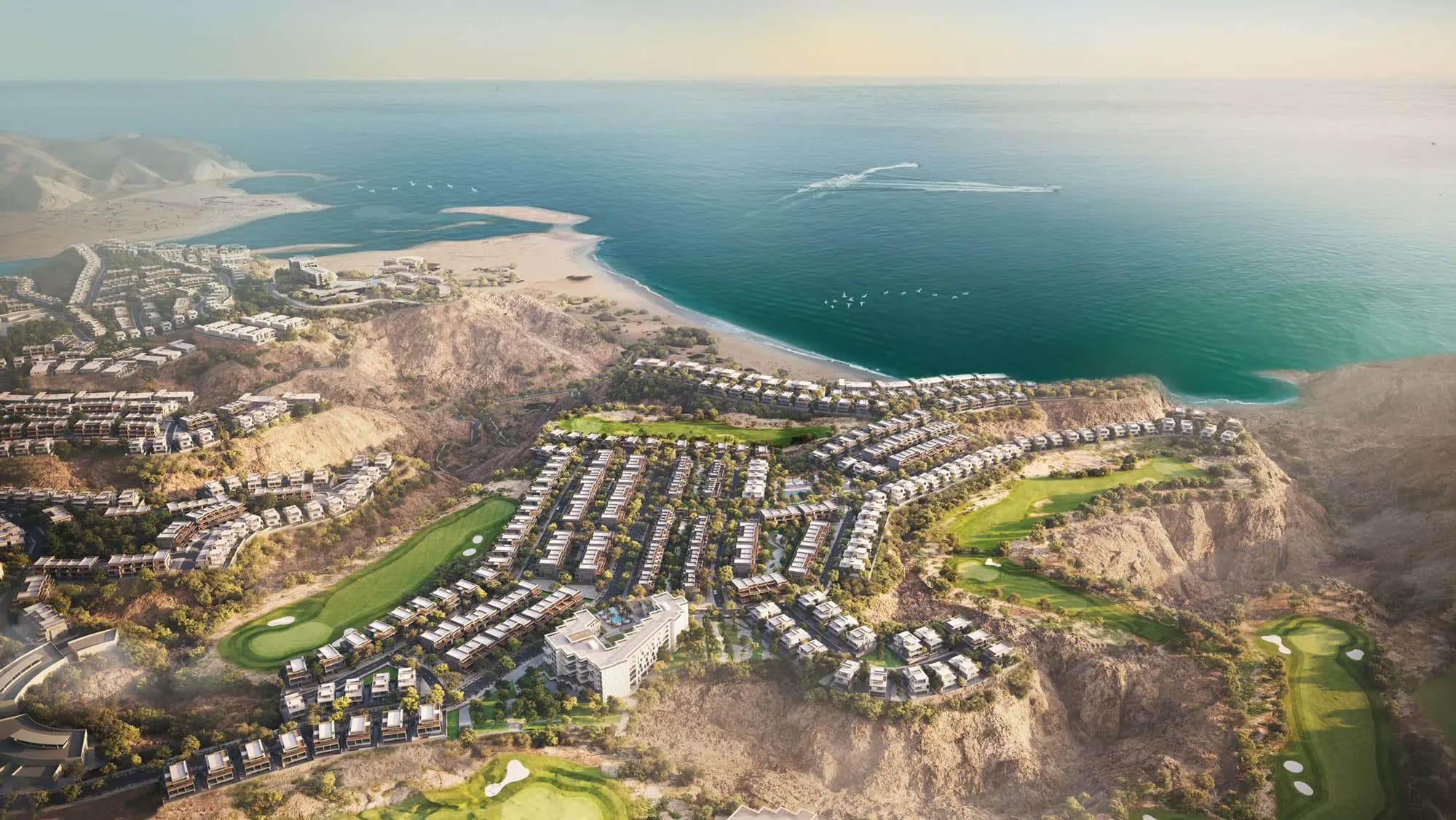
Sarooj Oasis is one of the first residential communities to go on sale inside Sultan Haitham City, Oman’s flagship new urban district in Al Seeb, Muscat. For investors, the attraction is straightforward: early-phase pricing in a government-led masterplanned city, with units that are marketed for both Omani citizens and expatriates through regulated ownership pathways.
This guide focuses on what can be verified today, what matters financially, and the due diligence steps that actually reduce risk.
Sultan Haitham City in one minute
Sultan Haitham City is a large-scale masterplanned city commissioned by Oman’s Ministry of Housing and Urban Planning and designed to support Oman Vision 2040 objectives around sustainable growth and quality of life. Planning and design partners publicly associated with the city include major international firms. Public reporting and project literature consistently describe a target capacity of around 100,000 residents and a long runway of phased infrastructure and neighbourhood delivery.
What that means for investors: you are not just underwriting a building, you are underwriting a multi-year place-making programme whose value depends on infrastructure delivery, connectivity, services, and neighborhood activation.
Sarooj Oasis overview
Sarooj Oasis is positioned as an “integrated” community within Sultan Haitham City with a mix of homes and supporting amenities.
Verified project attributes that appear consistently across official and credible reporting include:
Location: Wilayat of Al Seeb, Muscat Governorate, within Sultan Haitham City
Scale: about 86,000 square metres site area is widely reported
Value: widely reported at around RO 30 million
Uses: residential plus commercial components and community facilities
Developer: Sarooj Construction Company is listed as developer in official project listings
One important detail: unit counts vary across sources. An official government project listing describes 250 residential units, while some media reports at launch cited 210 units. If unit count affects your underwriting, treat the official listing and the sale and purchase agreement schedule as the deciding documents, not marketing copy.
Product mix and livability cues investors should care about
Across coverage and project descriptions, Sarooj Oasis is presented as a mixed housing offering that can include villas and apartments, alongside features such as:
a central garden or park element
walkability and micro-mobility routes
mixed-use or courtyard-style buildings
basement parking for some apartment blocks
local retail and services
Investor takeaway: the more the community is designed for daily life rather than weekend occupancy, the more resilient it tends to be in rental demand. Ask specifically what is being delivered in Phase 1 at handover versus “future community” items.
Ownership and eligibility in Oman
Freehold, ITC, and long-term usufruct
Foreign participation in Oman real estate typically sits in one of these regulated buckets:
Integrated Tourism Complexes: Non-Omanis can own property in approved ITCs under the legal framework established by Royal Decree 12/2006.
Long-term usufruct frameworks: Oman has also publicly discussed long-duration usufruct rights, including 99-year usufruct structures, in the context of new “future cities” programmes.
Sarooj Oasis has been marketed in the press as offering units available to Omanis and expatriates, with references to both ITC and freehold-style positioning. Do not rely on headlines. Your transaction documents must clearly state which ownership regime applies to your specific unit.
What to verify before paying a reservation fee:
the exact legal nature of title or right being sold for your unit
resale restrictions, if any
whether ownership eligibility differs by nationality or buyer type
whether registration is in your personal name, a company, or a usufruct instrument
Residency considerations
Property-linked long-term residency is real, but it is rules-based
Oman operates an investor residency structure that has been widely described in market guidance as offering renewable 5-year and 10-year options tied to qualifying investment thresholds, often discussed in the context of real estate.
Practical investor guidance:
treat residency as a separate compliance workstream from the property purchase
confirm the current thresholds, eligible property types, and required documentation through official channels and your licensed advisor
assume timelines and approval are not guaranteed until you have the formal decision
What drives investment performance in a new city like this
In a masterplanned new city, price movement and rental demand are rarely about “finishes” alone. They are usually driven by five fundamentals:
Infrastructure delivery cadence
Roads, utilities, mobility corridors, and public realm delivery set the pace for real demand.Anchor amenities
Schools, healthcare, employment nodes, and retail determine whether end-users choose to live there full-time.Supply sequencing
Early investors benefit if supply is phased and absorption remains steady, but get pressured if multiple projects hand over simultaneously.Ownership clarity
Units with clean, transferable, well-understood title regimes generally attract a broader buyer pool at exit.Operating reality
Service charges, community management quality, and defect resolution can materially impact net yields.
Timeline risk and how to price it
Many off-plan investors underestimate one risk: a “great” handover date is less important than what exists around the home at handover.
Your due diligence questions should include:
What infrastructure works are contractually tied to your phase and targeted delivery window?
What is the developer’s remedy if utilities or access are delayed?
Are amenities delivered by the developer, a city authority, or a third-party operator?
If you cannot get crisp answers in writing, assume delay risk exists and adjust your strategy accordingly, either through a longer holding period, a more conservative leverage plan, or choosing a unit type with broader end-user appeal.
Financing and costs
What to model beyond the headline price
Even if you buy cash, your investment model should include:
reservation and staged payment schedule
registration and administrative fees applicable to your ownership type
brokerage fees if you use an intermediary
snagging, fit-out, and furnishing budget if targeting rentals
community service charges and sinking fund style items
vacancy allowance and leasing commissions if renting
If you are leveraging with a mortgage:
confirm whether the lender will finance off-plan in this location and under this title structure
model interest rate sensitivity and payment overlap during construction
Exit strategy
Who is your buyer in year five
A clean exit plan usually targets one of three buyer pools:
End-user upgrader: wants livability, schools, commute, and community services
Lifestyle buyer: values the “new city” concept and public realm
Investor buyer: values rental evidence and stable operating costs
To protect exit optionality, prioritise:
layouts with broad appeal
units closest to delivered amenities
clear parking and access
documented title regime with straightforward resale mechanics
Due diligence checklist
Print this and tick it off
Project and legal
Confirm the project is listed with the Ministry of Housing and Urban Planning programme for Sultan Haitham City
Obtain a copy of the title or usufruct framework relevant to your unit
Verify escrow, payment protection, and cancellation clauses in your sale contract
Check resale, leasing, and short-term rental rules
Commercial
Get a written schedule of what is delivered at your handover phase
Request the service charge estimate methodology and what it covers
Ask for defect liability terms and response timelines
Market
Compare competing supply handovers in the same city window
Stress-test your model for slower leasing and a delayed handover
Do not underwrite price appreciation as a requirement for success
Who Sarooj Oasis can suit best
Sarooj Oasis is most aligned with:
investors comfortable with off-plan and masterplan delivery risk
buyers who value regulated expatriate ownership pathways
long-hold investors targeting demand that matures as the city activates
It is less suitable for:
investors who need immediate rental cashflow
buyers relying on a quick flip before surrounding infrastructure is delivered
Bottom line
Sarooj Oasis offers a relatively early entry into Sultan Haitham City’s development arc, with the credibility boost of a government-led masterplan and widely reported project scale. The investment case stands or falls on three things: legal clarity of ownership for your specific unit, the infrastructure and amenity delivery schedule around your phase, and the true net operating cost once the community is managed day-to-day.
If you underwrite it like a multi-year urban development bet rather than a single-building purchase, you will make better decisions.