
Muscat
Buyer-first overview, areas, and investment context built to support real decisions.
Living and investing in Muscat, Oman: a calm coastal capital with high safety, strong infrastructure, and foreign ownership options in designated communities. Explore neighbourhoods, rental yields, and investment fundamentals.
Snapshot
At a glance
Directional context only. Confirm exact pricing, supply, and unit specifics before reserving.
Population
Avg. ROI
New developments
Price range
Quick navigation
Find what matters fast
Use the section shortcuts below to jump straight to fit, areas, and market context.
Updated
٢٤ ديسمبر ٢٠٢٥
Overview
Overview
Living and Investing in Muscat, Oman
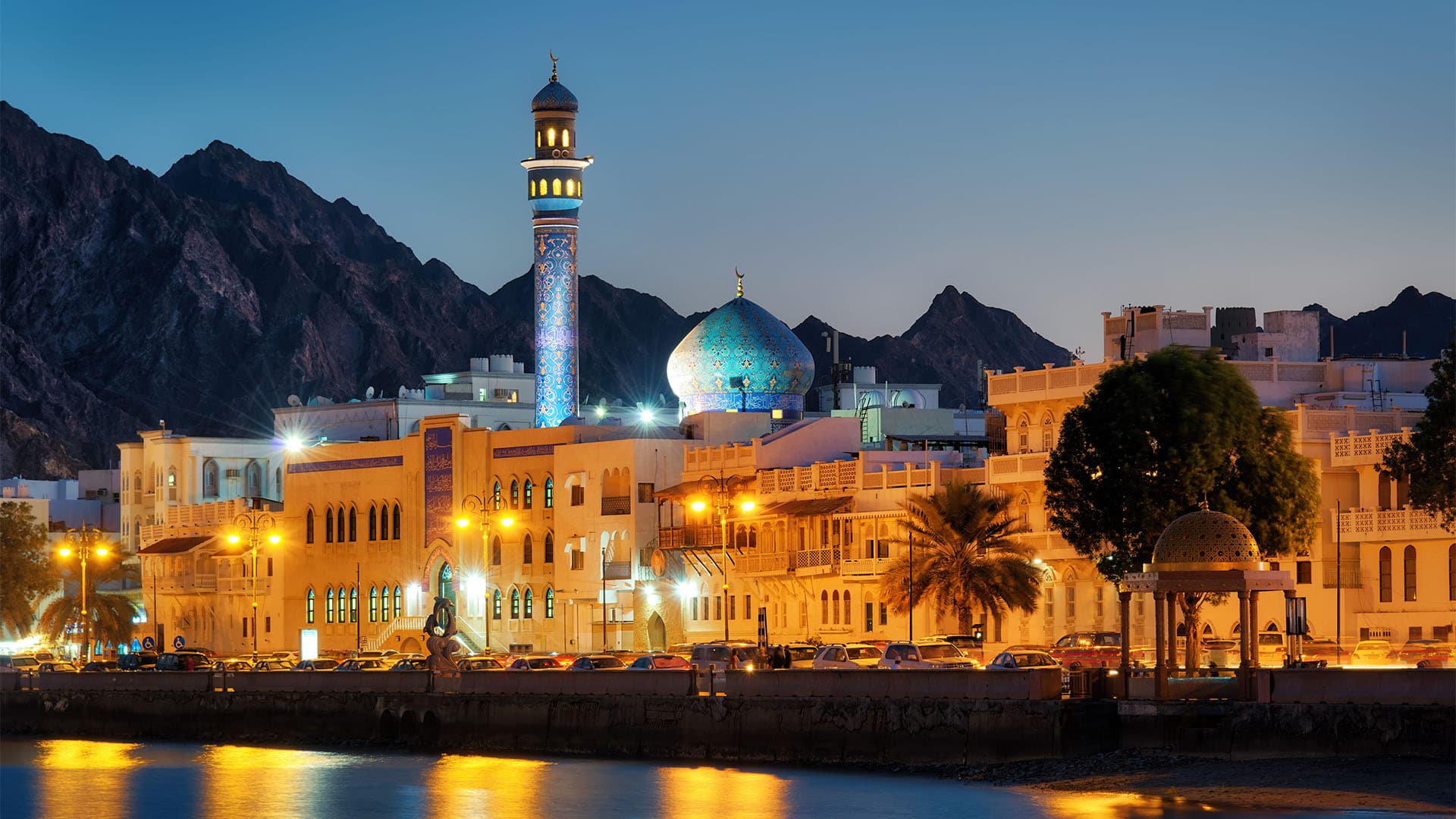
Muscat is not a city that tries to overwhelm you. It is the capital of Oman and the country’s economic and cultural centre, but its pace is calmer than most Gulf capitals. That is one of the main reasons people choose it. Muscat offers coastal living, a high standard of safety, strong infrastructure, and a lifestyle built around nature and community rather than nightlife and spectacle. For many expats and investors, it sits in a rare middle ground. It has much of the convenience of the Gulf, without the intensity and cost profile of Dubai or Doha.
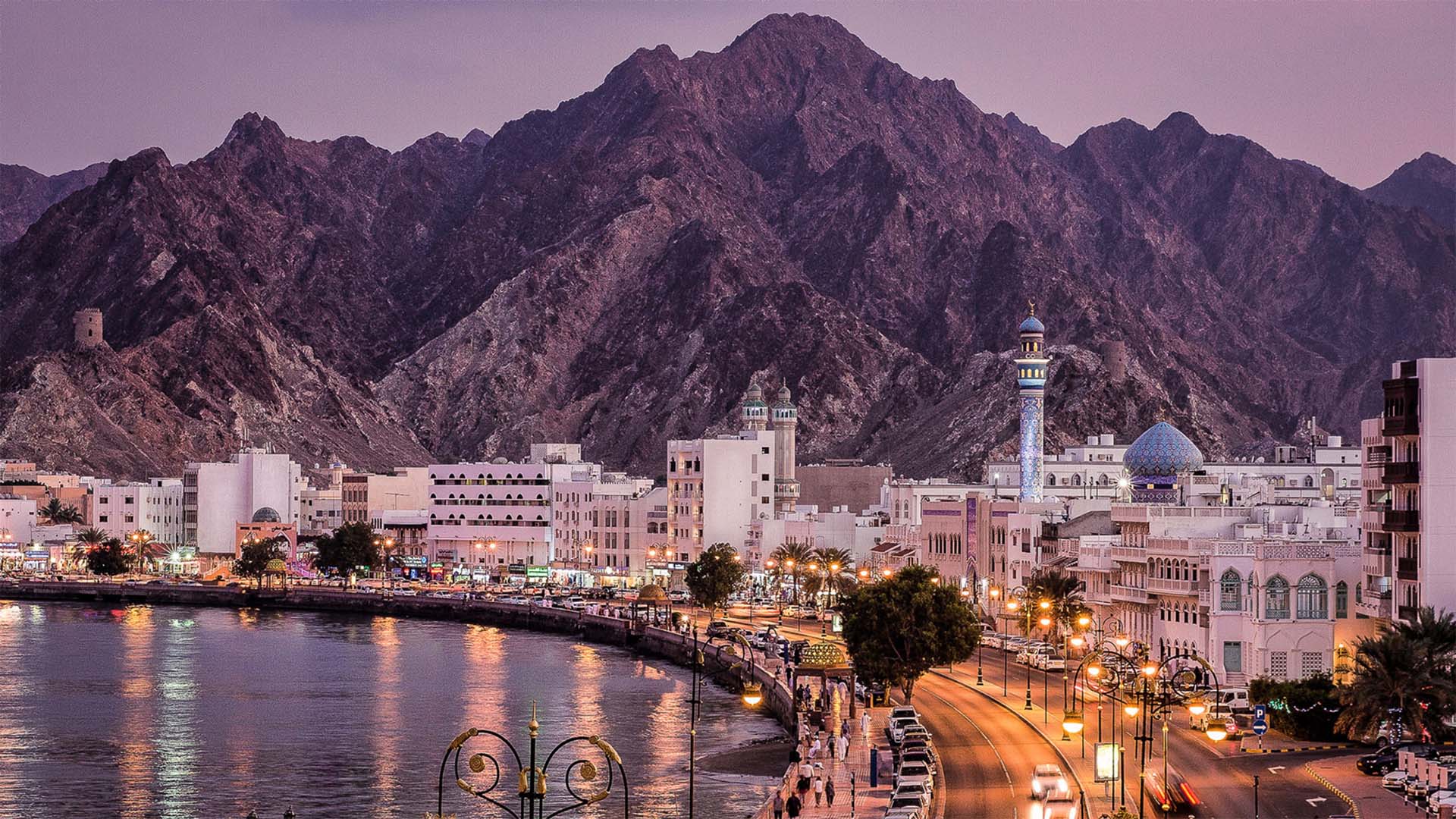
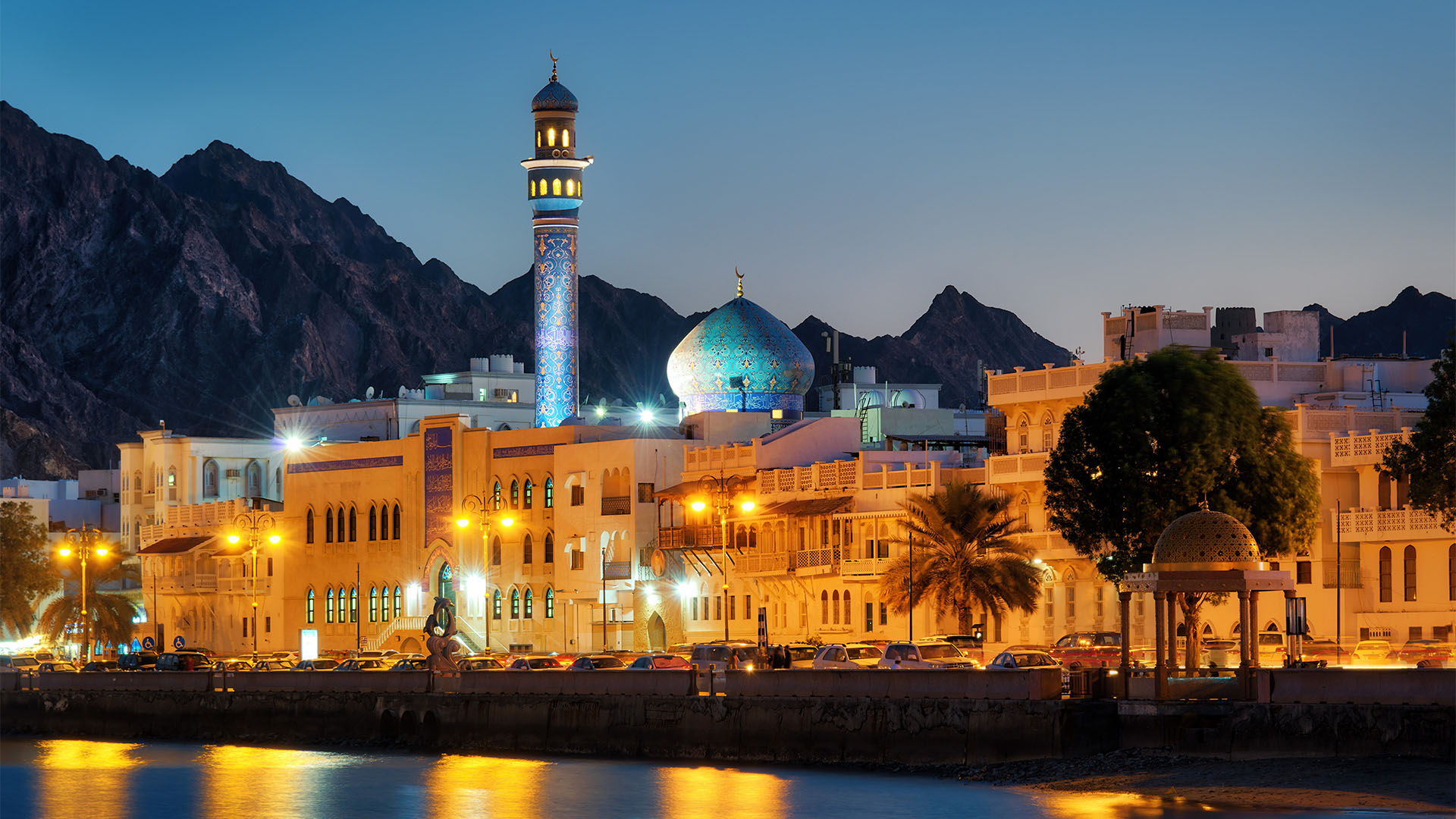
Muscat stretches along the Arabian Sea, backed by rugged mountains and connected by well-maintained highways. Instead of one dense centre, it is a network of districts, with business, residential, and lifestyle zones spread across the coastline. This shapes day-to-day life. Where you live matters more than in a compact city, because commutes, access to beaches, schools, offices, and social life can change dramatically depending on the neighbourhood.
As a place to live, Muscat is defined by stability. As a place to invest, it is defined by controlled access, a maturing real estate market, and a buyer base that is still largely rooted in local and regional demand, with foreign ownership concentrated in designated areas.
What Daily Life in Muscat Feels Like
Muscat’s lifestyle is built on predictability. Most of the city operates at a professional, family-friendly rhythm. Workweeks, school schedules, and leisure time revolve around a mix of modern malls, cafés, beaches, fitness clubs, and outdoor escapes. For many residents, the quality of life comes from what Muscat avoids. It is less chaotic, less congested, and often less expensive than the more globalised Gulf hubs, while still offering good healthcare, reliable utilities, and a strong base for travel.
The climate is the key adjustment. Summers are hot and humid, and for several months outdoor life becomes more limited during the day. In that period, many people shift routines to early mornings and evenings, spending more time indoors or travelling. The rest of the year is a major advantage. Winters and shoulder seasons are comfortable, and Muscat becomes a city where outdoor living is genuinely enjoyable. Beaches, hiking trails, and desert trips are part of normal life rather than occasional excursions.
Safety and social stability are also major factors. Oman is widely regarded as one of the safer countries in the region, and Muscat reflects that. This supports both expat living and tourism. It also contributes to a housing market where demand is driven as much by long-term residents as by short-term visitors.
Cost of living varies significantly by area and lifestyle, but the key point is that Muscat remains meaningfully cheaper than Dubai on most comparable categories, especially rent. Cost-of-living databases regularly show that rent is one of the strongest relative advantages in Muscat, even in premium districts, though exact numbers fluctuate.
Where People Actually Live in Muscat
Muscat’s housing choices fall into a few clear lifestyle categories.
There are traditional residential neighbourhoods where most long-term expats live, often in villas or compound housing. These areas may not have beachfront views, but they offer space, schools, and practical access to office districts.
Then there are newer lifestyle-led districts, particularly around high-end waterfront communities. These tend to be more international, more expensive, and more attractive for investors seeking short-term rental demand and stronger resale liquidity.
Foreign ownership is particularly concentrated in Integrated Tourism Complexes (ITCs), which are designated zones where non-Omanis are allowed to buy freehold property. The best-known ITC in Muscat is Al Mouj Muscat, and there are other developments that also operate under similar frameworks.
For many expats, the choice comes down to whether they want a resort-style lifestyle and walkability, or a more typical residential environment with larger living space and lower costs. Both can be attractive, but they serve different priorities.
The Property Market in Muscat: How Foreign Ownership Works
Muscat’s property market is not fully open to foreign ownership across the city in the way that many investors assume. For non-Omanis, the practical reality is that most freehold buying opportunities are within ITCs or other designated structures. This restriction shapes the entire investment landscape. It means foreign demand is channelled into specific areas, which can support prices and liquidity in those zones, while limiting options elsewhere.
Buying inside an ITC typically gives foreigners full ownership rights, resale ability, and access to the regulated framework designed to attract international buyers. Outside these zones, purchase options are more limited and may involve other rights structures such as usufruct arrangements, depending on the project and legal approvals.
Because of this, Muscat is not a market where you can simply pick any “good” neighbourhood and buy. Investment strategy is often built around which areas you are allowed to own in, and which areas have the most resilient rental demand and resale market.
Investing in Muscat: What Returns Look Like in Reality
Muscat can work as an investment market, but it rewards realism. It is not a quick-flip environment, and rental income is heavily influenced by property type, location, and management.
Many market summaries place Muscat’s rental yields in a broad range, often around 4 to 9 percent depending on unit type and district, with central apartments frequently outperforming villas in yield terms. The wide range matters because it reflects a market where the asset choice is decisive. Two properties with similar headline prices can produce very different net returns depending on service charges, vacancy risk, and demand profile.
In practical terms, apartments in well-positioned, expat-friendly districts, especially those with walkability, amenities, and strong building management, tend to attract more consistent rental interest. Villas can perform strongly in absolute rental value, but their yields may be lower once capital value and maintenance costs are factored in.
Short-term rental demand exists, but it is not uniform. Muscat has business travel, tourism, and regional weekend demand, but it does not have the constant inflow of global tourism seen in Dubai. The best short-stay performance is concentrated in premium lifestyle areas and near major attractions. Investors who assume year-round high occupancy without professional management often overestimate returns.
Capital appreciation in Muscat is typically steadier and slower than more speculative markets. It is influenced by infrastructure, population dynamics, and the health of the wider Omani economy. Professional real estate research firms describe Oman’s residential market as a maturing landscape with changing demand patterns and increasing focus on quality and liveability, rather than rapid, speculative growth.
For investors, Muscat tends to work best as a long-term hold tied to lifestyle quality, stable demand, and conservative return expectations.
Taxes and Ownership Costs
One of Muscat’s advantages is that ownership costs are often simpler than in many Western markets, but buyers still need to understand the structure.
Oman has traditionally not imposed personal income tax on individuals, which is one reason it has long been popular for expat professionals. However, Oman issued a decree introducing a personal income tax law that is expected to take effect in 2028 and will apply to high earners above a specified threshold. This is a significant policy shift for the region and is worth keeping in mind for long-term planning.
For property investors, the most relevant costs tend to be registration fees, purchase costs, service charges in managed developments, maintenance, insurance, and any rental income compliance obligations.
Because foreign ownership is concentrated in regulated zones and many purchases involve developers and professional management, buyers should also pay attention to ongoing service charges and community fees. In high-end waterfront developments, these can be meaningful and directly affect net rental returns.
Residency and Long-Term Living
Oman’s residency system is structured differently from many Western countries, and the rules depend on employment, sponsorship, and investment categories. There are investment-linked residency options, and property ownership inside eligible developments can be part of that framework, but it is not a simple “buy and automatically get a visa” situation. Buyers who prioritise residency should verify the current thresholds and requirements directly through official channels or qualified legal advisers, especially since policies and qualifying categories can change.
Who Muscat Is Best For
Muscat suits people who value stability, space, and a high-quality coastal lifestyle without constant intensity. It works for families, professionals, and long-term residents who want a safe environment, reliable infrastructure, and a calmer pace than many Gulf alternatives.
From an investment standpoint, Muscat suits buyers who want a conservative, regulated market where foreign ownership is concentrated in specific zones, supporting demand and liquidity in those areas. It is most attractive to long-term investors who are comfortable with modest but steady rental performance rather than fast appreciation or speculative momentum.
Muscat is less suited to investors who want aggressive growth, short-term flips, or a market driven by constant global tourism. It also may not suit residents seeking a fast-moving social scene, dense walkability across the entire city, or the kind of nightlife found in larger regional hubs.
The Realistic Takeaway
Muscat is not a market you invest in because it is trending. You invest in it because it is stable, well-run, and increasingly positioned as a high-quality lifestyle capital in the Gulf. As a place to live, it offers a balance of modern convenience and cultural grounding that is hard to find elsewhere in the region. As a place to invest, it offers structured foreign ownership opportunities in premium zones, with returns that can be attractive when expectations are disciplined and property selection is done carefully.
The best outcomes in Muscat come from choosing the right neighbourhood, understanding foreign ownership rules, modelling true net returns including service charges, and treating the investment as a long-term asset in a maturing market, not a short-term trade.
Buyer playbook
Use this guide like an investor
The area sets demand. The building sets fees and rules. The contract sets risk. This section helps you pick a direction, then verify the unit with discipline.
Personalize
Choose your primary goal and we will highlight what to focus on.
Your focus
Yield-first screening
Start with net yield after fees and management, then confirm tenant demand signals.
Avoid buildings with unclear service charges or restrictive rental rules.
Liquidity is protection, compare recent supply and resale appetite.
What to verify first
Copy a checklist
Paste this into your notes and use it for every unit you shortlist so your comparisons stay consistent.
Deep dive
How to choose where to buy in Muscat
Think in layers. The area shapes demand. The building shapes rules and fees. The contract shapes risk. Use these frameworks to shortlist, then verify the unit with discipline before you reserve.
Demand driver
Choose the dominant demand source you want to serve. Corporate, lifestyle, family, or mixed demand changes what layout and amenities win.
Define tenant or user profile first
Match layout to demand
Avoid vague assumptions
Convenience and access
Short commutes and day-to-day convenience protect both lifestyle value and rentability. Validate access and routines, not just pin location.
Test commute patterns
Check services and daily needs
Validate parking and access
Building quality and rules
Two buildings in the same area can behave like different investments. Fees, management, and rental rules often drive net outcomes more than headline price.
Confirm rental rules
Model service charges
Prefer strong management
A practical screening order
- 1
Choose your objective
Yield, growth, lifestyle, or family. The objective drives constraints and trade-offs.
- 2
Shortlist 2–3 corridors
Use area-level signals to narrow down, then compare buildings within each corridor.
- 3
Verify building rules and fees
Rental restrictions, service charges, and management standards are deal-defining.
- 4
Model conservative net outcomes
Include vacancy, fees, and management. Compare multiple units using the same checklist.
Red flags worth treating seriously
Highlights
What Makes Muscat Special
Discover the unique characteristics that define this area's appeal
Coastal Capital with a Calm Pace
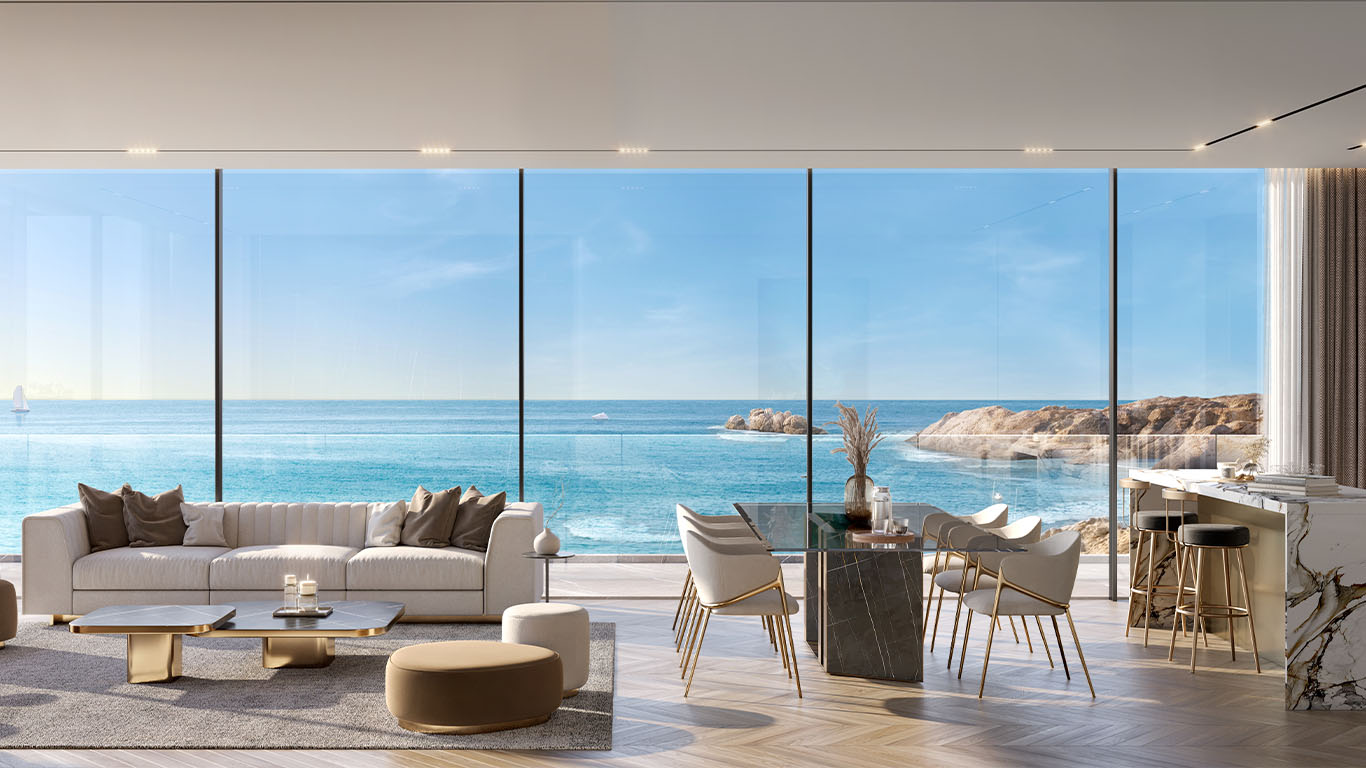
Muscat offers a rare Gulf lifestyle combination: modern infrastructure, excellent safety, and a slower, more liveable pace. Daily life is oriented around the coastline, family-friendly districts, and access to nature, with mountains, beaches, and desert landscapes all within short reach.
Key Features
Areas
Explore Muscat Districts
Each neighborhood offers unique investment opportunities and lifestyle experiences

Al Mouj Muscat (ITC)
Al Mouj Muscat is Muscat’s flagship Integrated Tourism Complex, offering waterfront apartments, villas, marina living, retail, dining, and lifestyle amenities in a managed community environment. It is one of the most popular choices for foreign buyers due to freehold access and resale liquidity.
Muscat Bay (ITC)
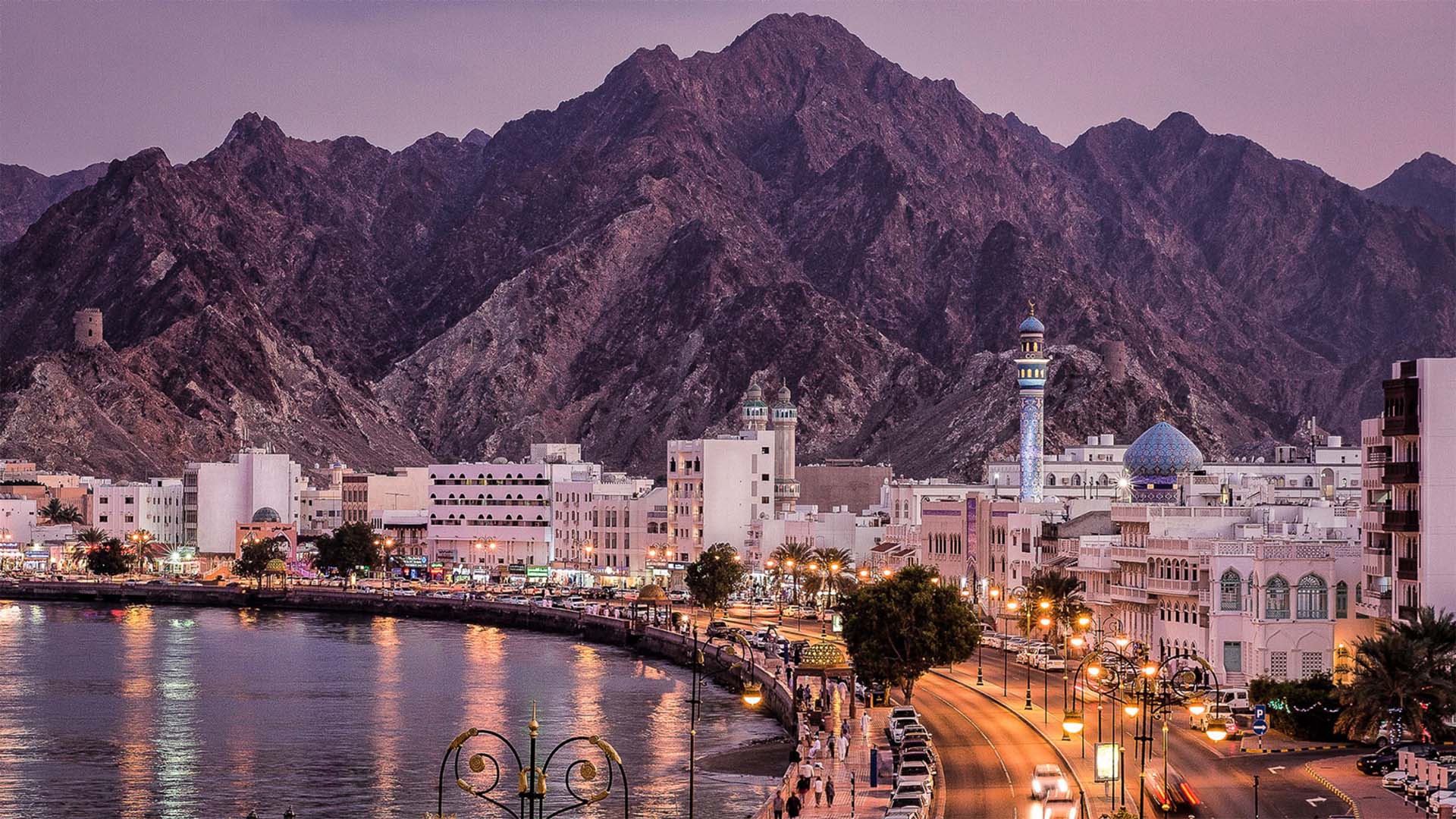
Muscat Bay is a high-end waterfront community set between cliffs and coastline, focused on premium lifestyle living. It appeals to buyers prioritising views, privacy, and a resort-style environment, with investment outcomes heavily influenced by service charges and unit selection.
Al Khuwair
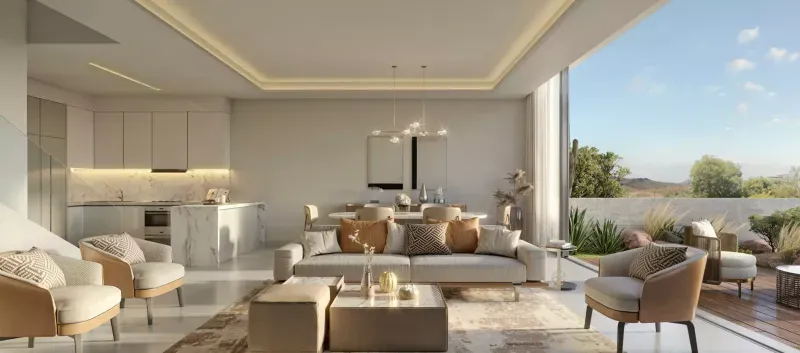
Al Khuwair is a practical, well-connected district known for its strong tenant demand, proximity to office areas, and a wide mix of housing stock. It often offers better rental yield potential than premium waterfront areas, though capital appreciation is typically steadier rather than dramatic.
Visual Journey Through Muscat
Experience the area through stunning imagery
6 images
Location
Strategic location
Use the map for orientation, then validate commute times and building-level specifics before reserving.
23.6124° N, 58.5938° E
Continue learning
Related resources
Use these pages to validate your process, residency plan, and investment assumptions as you shortlist.
Buying
Buying property guide
The end-to-end buying process, due diligence, fees, and contract risk checks.
Residency
Visa and residency guide
Plan residency alongside your purchase without guessing thresholds or steps.
Macro
Vision 2040 investment guide
Demand drivers, giga-project context, and how buyers can turn macro into underwriting.
Inventory
Browse properties
Browse live opportunities and shortlist options to validate against your checklist.
Ready to Invest?
Invest in Muscat Today
Connect with our local experts who specialize in Muscat real estate. Get personalized guidance on the best investment opportunities.