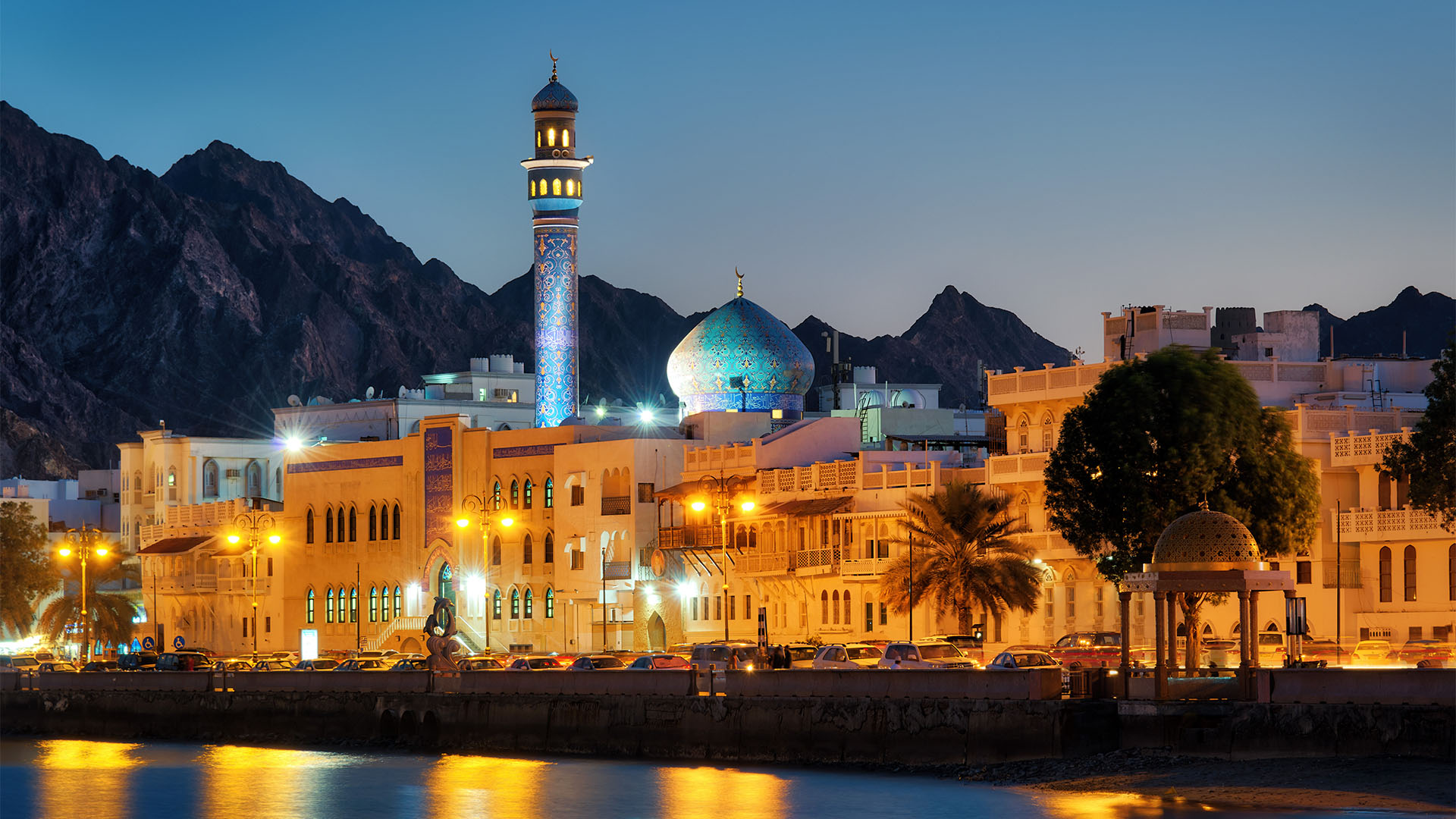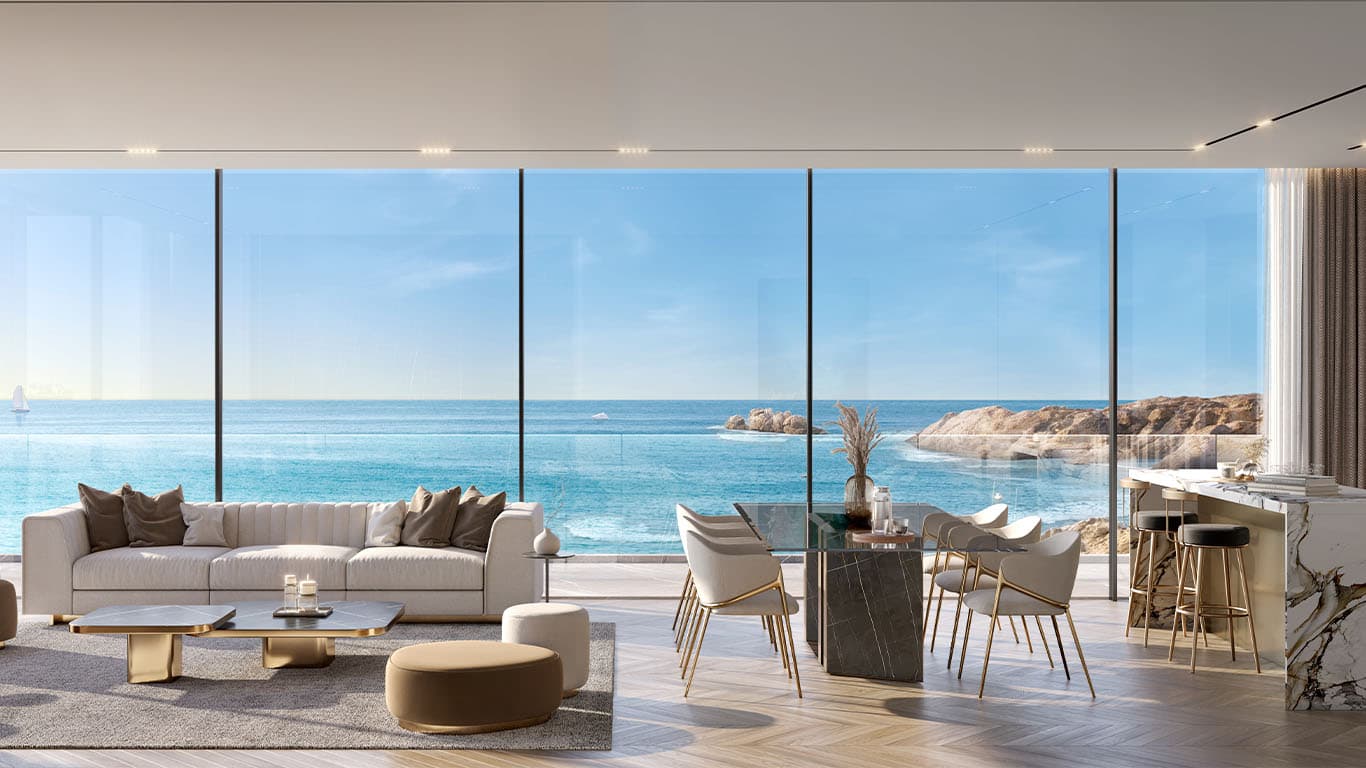
Muscat’s luxury residential scene is entering a new phase. After years when Oman’s housing market was often viewed as quieter than its flashier Gulf neighbours, high end developments, residency incentives and a widening base of international buyers are pushing premium neighbourhoods into the spotlight.
Industry forecasters now expect the Oman luxury residential real estate market to keep expanding through 2030, led by waterfront communities, branded residences and villa enclaves in the capital. A frequently repeated claim in the market is that luxury values could “double by 2030”. The most credible published projections point to strong growth rather than a clean doubling, but they still describe a segment that is scaling quickly as new inventory comes online and foreign demand broadens.
A market where supply is rising but prime addresses hold firm
Across the wider housing market, new supply is increasing. Recent analysis puts Oman’s total residential stock at about 1.1 million units in 2024, with continued deliveries expected in the coming years. That matters because added supply can soften rents and prices in older stock.
Luxury behaves differently.
Prime locations in Muscat continue to trade on scarcity, lifestyle and international standards. Major research on the Oman residential market notes that demand remains strong in “prime areas”, explicitly referencing marquee communities such as Al Mouj and Muscat Hills. Those districts offer features that make luxury “exportable” to overseas buyers and internationally mobile residents such as professional management, marina and golf access, walkable retail, and resort style amenities.
For investors, that translates to a segment that can be insulated from broader price fluctuations, even when national indices show mixed movement.
Growth projections show a larger luxury segment by 2030
Market research firms tracking Oman’s luxury housing segment are broadly aligned on direction: up.
One widely cited forecast estimates the luxury residential market reaching about USD 1.24 billion in 2025 and about USD 1.8 billion by 2030, implying steady, compounding expansion through the second half of the decade. Other forecasters looking slightly beyond 2030 see the market nearing the USD 2 billion mark in the early 2030s.
That is not automatically a “doubling” by 2030. But when combined with ambitious development pipelines, the introduction of new residency routes, and growing visibility among foreign buyers, it helps explain why “doubling” has become a shorthand in broker presentations and developer roadshows.
A more defensible way to frame the outlook is this: Oman’s luxury housing market is expected to be materially larger by 2030, and in more optimistic scenarios could approach a doubling across a longer window that stretches into the early 2030s.
Foreign ownership rules keep the luxury story concentrated in specific zones
The structure of foreign ownership is one reason luxury growth is concentrated and, in some areas, structurally supported.
Oman allows non Omanis to own property on a freehold basis in Integrated Tourism Complexes, commonly known as ITCs. These master planned communities have become the country’s primary “on ramp” for international buyers because they combine clear ownership rights with curated resort style planning.
The best known examples are in and around Muscat, where the luxury market’s centre of gravity sits:
Al Mouj Muscat
Muscat Hills
Muscat Bay
Jebel Sifah
Because foreign buyers are channelled into a defined set of freehold communities, demand can become more concentrated than in markets where foreign ownership is more broadly available. Concentration tends to support pricing power in the most established addresses, especially where resale supply is thin.
Golden Residency adds a new layer to premium villa demand
Policy is also helping. Oman has launched a 10 year Golden Residency programme, designed to attract foreign capital and specialised talent through several investment routes. The programme’s positioning is clear: offer longer term certainty to investors and skilled professionals, in line with Vision 2040 goals on diversification and competitiveness.
For luxury housing, long term residency incentives can shift behaviour in two important ways:
From short stays to anchored lifestyles
Families and high earning professionals are more likely to buy premium villas or sea view apartments when residency feels stable.From holiday homes to portfolio allocations
Investors who previously treated Oman as a niche leisure market may begin to allocate capital more deliberately, especially if they see a pipeline of branded residences and managed communities.
The immediate impact will be hard to isolate in national statistics. But the direction is supportive: residency certainty tends to strengthen buyer confidence, particularly at the top end where purchases are larger and decision cycles are longer.
New high end developments are reshaping what luxury means in Muscat
The next growth cycle is being fuelled by projects that widen the definition of “luxury” beyond traditional large villas.
Branded residences and hotel linked living
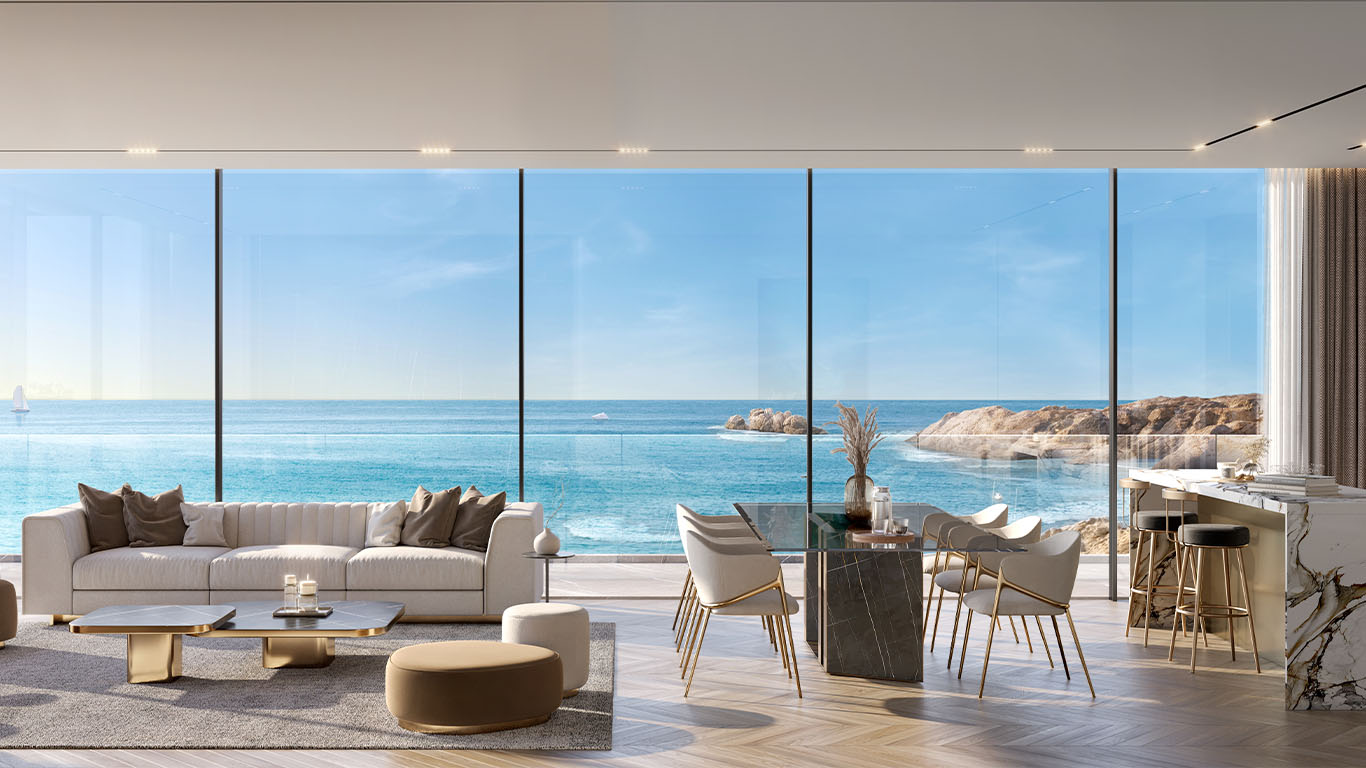
Oman already has a developing pipeline of branded residences, and recent market reporting tracks average sales pricing in this segment. Branded formats matter because they offer a product that international buyers recognise: service standards, amenities, and rental management that can appeal to investors as well as end users.
Sustainability led prestige
Luxury buyers increasingly want sustainability without sacrificing aesthetics and comfort. Developments marketed around net zero or low carbon living can command attention precisely because they stand out from conventional supply.
That is why high profile deals in sustainability themed projects are being used as signal events for the market’s direction, particularly when they set new price benchmarks.
Lifestyle infrastructure as the new differentiator
In Muscat’s luxury market, the property itself is often only half the proposition. The other half is what surrounds it: marinas, golf courses, beach clubs, promenades, dining, schools, and a level of public realm that supports walkability and year round use.
For premium villa buyers, that lifestyle layer is frequently the deciding factor.
What investors are really buying when they buy premium villas in Oman
Search traffic tells the story. Interest in phrases such as Oman luxury real estate, high end properties Muscat, and premium villas Oman investment reflects a buyer who is weighing lifestyle and downside protection as much as headline returns.
In practice, luxury demand tends to cluster into three buyer motivations:
Primary residence upgrade
High net worth Omani households and long term expatriates seeking gated privacy, space and amenities.Lifestyle second home
Regional buyers looking for a quieter Gulf base with coastline access and managed communities.Yield plus capital preservation
International investors prioritising professionally managed buildings, predictable service standards, and locations with a resale market among other foreign buyers.
The most credible advice is to treat the luxury segment as micro markets, not one national category. A sea view apartment in a well managed ITC, a golf side townhouse, and a standalone villa in a gated enclave do not share the same supply dynamics or buyer pool.
Risks and reality checks for 2026 to 2030
Luxury optimism should be paired with realism. Three factors will shape outcomes this decade.
Delivery risk
Oman has a growing pipeline, but completion timelines can change. Market reports explicitly flag that projected supply can shift as projects are revised or delayed.Affordability and absorption
Even in luxury, price points must match the buyer pool. If multiple premium projects launch in close succession, absorption rates become the key metric to watch.Global wealth flows
Foreign demand is sensitive to currency movement, geopolitical sentiment and competing visa offers elsewhere in the Gulf. Oman’s advantage is its positioning as stable and lower density, but it still competes for attention.
The bottom line for Oman luxury real estate through 2030
Oman’s luxury housing market is not trying to mimic Dubai. Its appeal is different: curated coastal communities, a premium lifestyle without hyper density, and a legal structure that channels foreign demand into well defined freehold zones.
The result is a segment that research firms expect to be substantially larger by 2030, supported by high end development pipelines and policies designed to attract long term international capital.
For buyers looking at high end properties in Muscat and premium villas in Oman as an investment, the best opportunities are likely to remain where Oman’s luxury proposition is most legible to global buyers: established ITCs, professionally managed communities, and new projects that can credibly deliver on lifestyle, sustainability and service.